

Technical Support:
158-7527-1139

Entering summer, the weather is getting hotter, and many people prefer to stay at home, blowing air conditioning and watching TV to avoid the scorching sun. In fact, summer indoor air pollution is even more serious than outdoors. Why is this? Let's take a look with the LUFTMY editor!
I. How to improve summer indoor air pollution?
1. Decoration materials: When decorating indoors, materials must be selected strictly according to national standards. Since pollutants like formaldehyde have cumulative effects, try to keep decoration simple! For newly decorated rooms, ensure window ventilation and use air purifiers for purification; active carbon bags can also be placed in newly decorated rooms to adsorb odors.
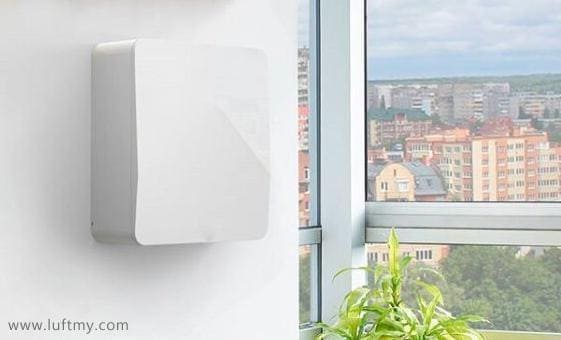
2. Install household fresh air machines: Household fresh air machines are effective air purification devices that circulate indoor air. On one hand, they exhaust stale indoor air, and on the other hand, they input fresh outdoor air after layers of filtration and other measures, ensuring the room has fresh, clean air at all times. You can enjoy nature's fresh air without opening windows, meeting the body's health needs.
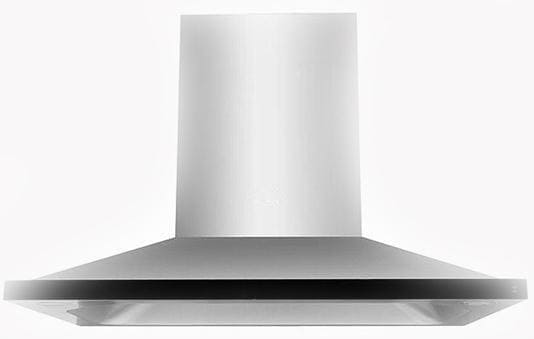
3. Range hoods: Be sure to use a range hood to reduce kitchen oil fume pollution. Don't turn it off immediately after cooking; keep it running for another 3-5 minutes to remove excess fumes. Range hoods should be cleaned regularly every 3-6 months, as toxic oil fume components easily attach to the inside. Over time, these can be inhaled by the cook and may also spread to the living room and bedroom, exacerbating indoor air pollution.
4. Choose decontaminating green plants: Green plants have a certain purification function for some gaseous pollutants in indoor air, which has been confirmed by experimental research and practice. Plants that can absorb toxic chemicals include aloe vera, spider plant, and ivy; roses, lemons, and carnations also have bactericidal effects. However, while green plants have some purification effects, their efficiency is limited and depends on specific conditions and types of pollutants.
5. Remove toilet odors: Currently, many toilet cleaners and deodorants on the market should be used sparingly or not at all. They contain various volatile chemicals that can easily cause pollution. Some common household items can act as deodorants, such as opening a box of cooling oil and placing it in a low corner of the bathroom.
II. Why is summer indoor air pollution serious?
1. Humid and high-temperature environments also increase the chance of biological pollution. A foreign survey shows that 21% of indoor air quality problems are caused by microbial pollution, mainly including bacteria, fungi, pollen, viruses, etc., which may cause respiratory diseases such as allergies and asthma.
2. In summer high temperatures and humidity, the release speed of toxic and harmful gases in some building decoration materials and furniture, such as formaldehyde, benzene, and ammonia pollutants, will accelerate. If doors and windows are closed for a long time, leading to poor indoor ventilation, the convection between indoor and outdoor air decreases, and pollutants cannot diffuse effectively. Over time, family members may experience dizziness, nausea, coughing, and even breathing difficulties.
3. During high summer temperatures, odor pollution from indoor pesticides, chemical products, plastic items, bathrooms, and kitchens is prominent. Although not all odors are necessarily harmful to the body, if people stay in an indoor environment polluted by bad odors for a long time, they will feel uncomfortable and may even trigger vomiting, headaches, and various chronic diseases.
4. To prevent heat and cool down, people basically live and work in air-conditioned environments, with most windows sealed. Since the interior of an air conditioner is a dark and humid environment, it is suitable for the growth and reproduction of mites, mold, and viruses. They hide inside the air conditioner and continuously enter the indoor air through circulating airflow, dispersing to every corner of the room and causing flu, tonsillitis, pneumonia, etc.
Gas sensor devices for detecting indoor air quality can also be placed indoors, which is more helpful for rapidly improving the indoor environment. LUFTMY infrared dust sensors, laser dust sensors, PM2.5 sensor modules, dust sensor modules, micro-dust sensors, particulate matter sensor modules, and dust sensors have received wide acclaim in the industry both domestically and internationally.
