Technical Support:
158-7527-1139

Indoor air pollution refers to the presence of harmful substances in indoor air, such as particulate matter, gaseous pollutants, biological pollutants, etc., which can cause harm to human health. Mothers and infants are a particularly sensitive group to indoor air pollution, being more sensitive and more vulnerable to harm.
Hazards of indoor air pollution to mothers and infants
● Hazards to pregnant women: Long-term exposure to indoor air pollution by pregnant women increases the risk of miscarriage, premature birth, and fetal malformations. Studies have shown that long-term exposure to indoor air pollution increases the risk of congenital heart disease, congenital neural tube defects, autism, and other diseases in the fetus.
● Hazards to infants and young children: The respiratory systems of infants and young children are not yet fully developed, making them more sensitive to air pollutants. Long-term exposure to indoor air pollution increases the risk of respiratory infections, asthma, pneumonia, and other diseases in infants and young children.
● Hazards to breastfeeding: Pollutants in breast milk can be passed to the infant through breastfeeding, increasing health risks for the baby. Research indicates that pollutants present in breast milk, such as formaldehyde, benzene, TVOC, etc., increase the infant's risk of developing asthma, allergies, and other diseases.
How to prevent indoor air pollution?
● Reduce indoor pollution sources: Reducing indoor pollution sources is the fundamental measure to prevent indoor air pollution. During the renovation process, choose environmentally friendly materials and ensure proper ventilation. In daily life, reduce the use of pollution sources such as gas and cigarettes.
● Strengthen ventilation: Indoor air pollutants mainly come from indoor and outdoor pollutants; therefore, strengthening ventilation can effectively reduce the concentration of indoor air pollutants. When indoor air pollution is severe, open windows for ventilation in a timely manner, or use an air purifier for purification.
● Use air purifiers: Air purifiers can effectively remove pollutants such as particulate matter and gaseous pollutants from indoor air. When choosing an air purifier, select one with complete functions and high purification efficiency.
● Use sensors to monitor indoor air quality: Air quality sensors can monitor indoor air quality in real-time, helping people discover indoor air pollution problems promptly. When purchasing an air quality sensor, choose a sensor with high precision and good stability.
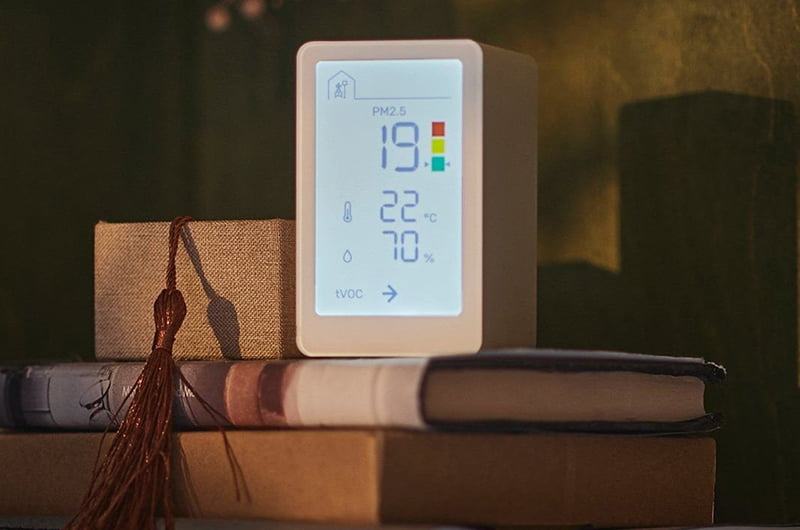
The following are some specific suggestions for preventing indoor air pollution:
● During the renovation process, choose environmentally friendly materials and ensure proper ventilation.
● When using gas indoors, pay attention to ventilation and regularly clean the gas stove.
● When using cigarettes indoors, try to minimize the pollution of indoor air caused by smoke.
● When using electrical appliances indoors, ensure you use products from legitimate manufacturers and regularly clean the dust inside the appliances.
● When keeping pets indoors, pay attention to regularly cleaning pet waste and hair.
● When using plants indoors, choose plants that are harmless to humans.
● When indoor air pollution is severe, open windows for ventilation in a timely manner, or use an air purifier for purification.
● We hope these suggestions help you prevent indoor air pollution and protect maternal and infant health.