

Technical Support:
158-7527-1139

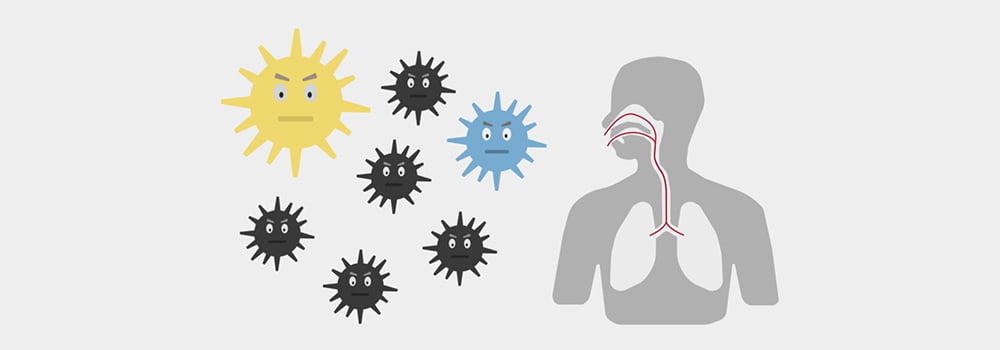
In our daily life and work environments, dust is a common air pollutant. It can originate from various sources, such as road dust, industrial operations, household dust, and more. Although dust may seem harmless, inhaling excessive amounts can have serious impacts on human health.
So, do you know the hazards of inhaling too much dust?
Generally speaking, if too much dust is inhaled, the most direct impact usually appears in the respiratory system. People may experience symptoms such as coughing, sore throat, wheezing, and difficulty breathing. These symptoms occur because dust particles enter the respiratory tract and irritate the mucous membranes of the throat and lungs. In some cases, this can lead to more serious health problems, such as bronchitis or pneumonia.
Furthermore, long-term exposure to high concentrations of dust can lead to more severe chronic respiratory diseases, such as Chronic Obstructive Pulmonary Disease (COPD) and pulmonary fibrosis. These diseases typically manifest as persistent shortness of breath, frequent coughing, and respiratory infections.
Beyond respiratory issues, dust can also cause or exacerbate allergic reactions. For those allergic to dust, inhalation can lead to nasal congestion, itchy eyes, skin itching, and other allergic symptoms.
It is worth noting that certain specific particles in dust, such as asbestos or silica dust, have even more severe health impacts. These substances can cause specific occupational diseases, such as asbestosis and silicosis, which pose fatal health risks.
Given the potential health hazards of inhaling too much dust, taking preventive measures is crucial. In home environments, besides regular cleaning, using air purifiers, and maintaining good ventilation, it is recommended to install dust sensors to monitor indoor dust conditions in real-time. In occupational environments, the use of personal protective equipment (PPE), such as masks and respirators, along with the implementation of workplace air quality control measures, is necessary.
In summary, although dust may seem insignificant, its impact on health cannot be ignored. Understanding the symptoms caused by excessive dust inhalation and taking appropriate preventive measures is vital for protecting our health. Through these measures, we can effectively reduce health risks caused by dust and create a cleaner, healthier living and working environment.
