

Technical Support:
158-7527-1139

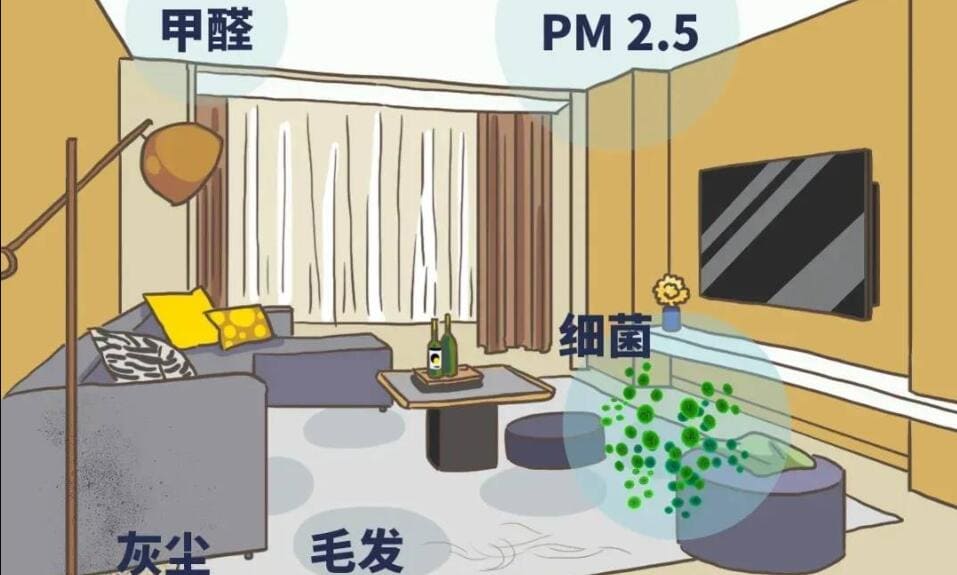
In modern life, indoor air pollution has become a serious health issue. Harmful substances in the indoor environment, such as volatile organic compounds (VOCs), particulate matter, and carbon dioxide, can have adverse effects on our health. But the good news is that sensor technology is providing us with effective methods to monitor and reduce indoor air pollution. In this article, we will discuss how to utilize sensor technology to improve indoor air quality and reduce indoor air pollution.
1. Understanding Indoor Air Pollution
Before reducing indoor air pollution, we first need to understand what it is. Indoor air pollution can come from various factors, including tobacco smoke, VOCs in furniture and flooring, chemical cleaners, excessive humidity, and carbon dioxide concentrations. These factors may trigger asthma, allergies, and other health problems.
2. Utilizing Sensors to Monitor Indoor Air Quality
The application of sensor technology allows us to monitor indoor air quality in real-time. These sensors can detect key parameters such as VOCs, PM2.5 particles, temperature, humidity, and carbon dioxide concentration. By monitoring these factors, you can better understand the quality of indoor air.
3. Automatically Adjusting Air Purification Equipment
Sensors can be integrated with air purification equipment to achieve automatic adjustment. For example, if carbon dioxide levels rise, sensors can trigger the air purifier to ensure the air stays fresh. This automation can effectively reduce the risk of indoor air pollution and improve the quality of the indoor environment.
4. Controlling VOCs and Harmful Substances
VOCs are a common source of indoor air pollution, usually originating from new furniture, flooring, and cleaning agents. Sensors can detect these harmful substances and send you alerts. By choosing low-VOC materials and using non-toxic cleaners, you can lower the risk of indoor air pollution.
5. Maintaining Appropriate Humidity and Temperature
Sensors can also monitor indoor humidity and temperature levels. Humidity levels that are too high or too low can lead to mold growth, while inappropriate temperatures may trigger allergic reactions. By maintaining suitable humidity and temperature, you can reduce potential sources of indoor air pollution.
6. Regular Ventilation
Sensors can also be used to monitor indoor carbon dioxide concentrations. When CO2 levels rise, it may indicate insufficient indoor ventilation. Sensors can remind you to ventilate the room to keep the air fresh.
7. Education and Awareness Raising
Finally, utilizing sensor technology to educate and raise people's awareness is also important. Sensors can provide real-time data to help people understand the impact of indoor air quality on health. This increased awareness can motivate people to take measures to reduce indoor air pollution and improve their quality of life.
In summary, sensor technology provides powerful tools for reducing indoor air pollution. By monitoring key parameters, automatically adjusting air purification equipment, controlling harmful substances, maintaining appropriate humidity and temperature, ventilating regularly, and raising awareness, we can improve indoor air quality and protect our health. Therefore, sensor technology plays a crucial role in improving indoor air quality, bringing a positive impact to our living environment.
We hope the information in this article helps you better understand how to leverage sensor technology to reduce indoor air pollution and enhance the quality of the indoor environment. Through this effort, we can create a healthier and more comfortable living environment.
