

Technical Support:
158-7527-1139

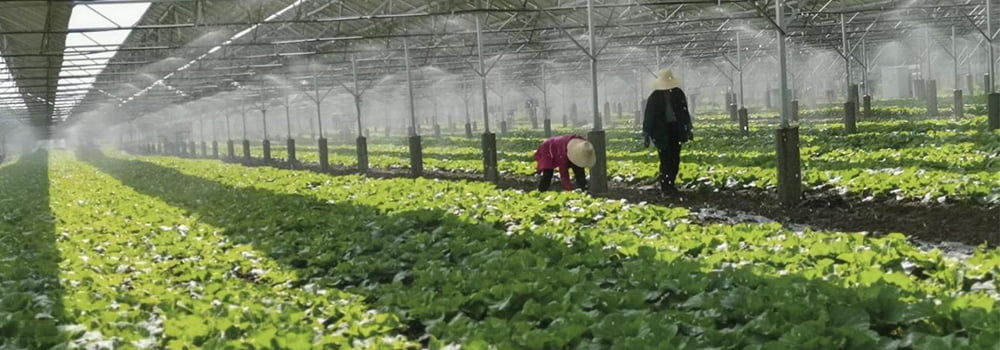
Temperature and humidity sensors are key equipment in greenhouse cultivation, and monitoring environmental parameters is vital for crop growth. Accurate acquisition of temperature and humidity data helps farmers adjust operations such as irrigation and ventilation, creating the most suitable growth conditions and improving yield and quality.
Therefore, choosing the right greenhouse temperature and humidity sensor is very important. Below are the selection methods recommended by Guangzhou Luftmy, which we hope will be helpful to everyone.
1. Check Accuracy and Reliability
When selecting a temperature and humidity sensor, accuracy is one of the primary factors to consider. Accurately measuring temperature and humidity is crucial for the healthy growth of crops. At the same time, the reliability of temperature and humidity sensors is essential; they should be able to operate continuously and stably under various environmental conditions.
2. Check Data Collection and Transmission
It is also very important whether the temperature and humidity sensor can collect data in a timely manner and transmit it to a monitoring system or application. Temperature and humidity sensors that allow for remote monitoring can be selected, so that farmers can check the internal environment data of the greenhouse at any time and adjust planting strategies promptly.
3. Check Environmental Adaptability
The environment inside a greenhouse may be affected by temperature fluctuations, humidity changes, and chemicals, so temperature and humidity sensors need to have good environmental adaptability. Sensors with strong anti-interference capabilities are more conducive to stable and reliable data collection.
4. Check Ease of Installation and Operation
Choose temperature and humidity sensors that are simple to install and easy to operate, which can reduce the difficulty of the installation process and enable farmers to use these devices with ease.

5. Check the Cost
The price of temperature and humidity sensors is also an important factor to consider. It is necessary to weigh the relationship between cost and performance and choose a temperature and humidity sensor that fits the budget and has good performance.
6. Check the Brand and After-sales Service
Choosing a well-known brand of temperature and humidity sensor usually ensures better after-sales service and technical support, ensuring the long-term stable operation of the equipment.
Final Selection:
Combining the above considerations, the best greenhouse temperature and humidity sensor should be a product that is accurate and reliable, fast in data collection and transmission, possesses good environmental adaptability, is easy to install and operate, falls within a reasonable cost range, and has good after-sales service support. Various brands and models of temperature and humidity sensors have their own characteristics; the best choice should be a decision made after comprehensive consideration based on the specific greenhouse environment and needs.
We hope these suggestions can help you better choose a suitable greenhouse temperature and humidity sensor, providing good environmental support for the healthy growth of greenhouse crops. If you have any questions or further needs, please feel free to contact us.
