

Technical Support:
158-7527-1139

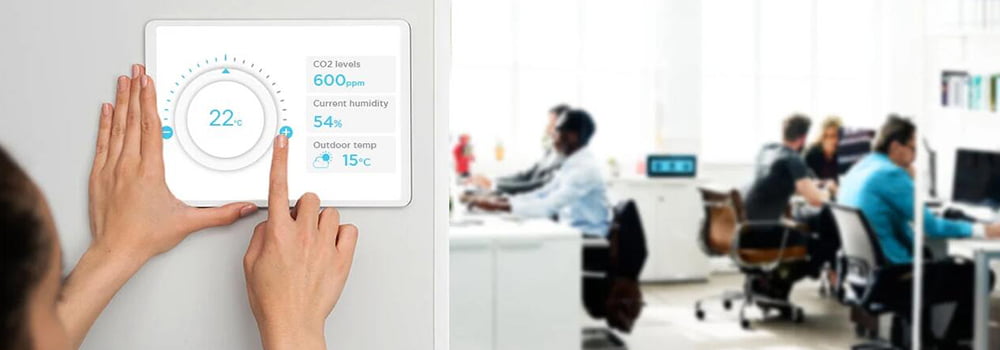
Temperature and humidity sensors are among the most crucial devices in today's technology sector, capable of accurately measuring environmental temperature and moisture levels. Whether it is their criticality for weather forecasting in meteorology, the impact of indoor environmental monitoring on comfort and health, or their use in industrial automation and agricultural management, these sensors play an indispensable role. This article will delve into the working principles of temperature and humidity sensors, application cases in different fields, and current technological trends, presenting a comprehensive overview and future outlook of this technology.
What is a Temperature and Humidity Sensor?
Temperature and humidity sensors are vital components of modern technology that precisely measure ambient temperature and moisture levels. These sensors are typically based on different technical principles, including resistive, capacitive, and acoustic sensors. Resistive sensors utilize the property of materials whose resistance changes with temperature; capacitive sensors determine humidity by measuring changes in a capacitor; and acoustic sensors use the variation in sound wave propagation speed at different humidity levels to calculate values. These sensors sense changes in the environment, convert data into electrical signals, and transmit them via output interfaces to other devices for further processing and display.

What are the Principles of Temperature and Humidity Sensors?
Different types of sensors operate on slightly different principles. Resistive sensors use special materials whose resistance changes with temperature, allowing temperature calculation by measuring resistance values. Capacitive sensors utilize the effect of humidity on a capacitor—the higher the humidity, the greater the capacitance. Acoustic sensors measure the propagation speed of sound waves under different moisture conditions to derive humidity values. These sensors can output data in digital or analog formats to relevant systems or users.
These principles enable wide applications. In meteorology, they are foundational for weather stations. Indoor environmental monitoring uses them to ensure comfortable living and working spaces, preventing issues from dampness or overheating. In industry and agriculture, they control production environments to ensure product quality and safety during storage, transport, and manufacturing.
As technology advances, the demand for higher precision, smaller size, lower power consumption, and better performance is increasing. Future integration with the Internet of Things (IoT) and smart technologies will make these sensors even more ubiquitous.
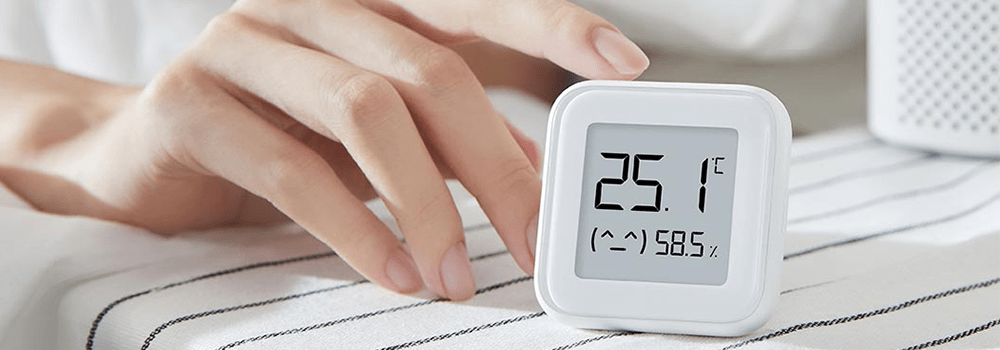
In Which Fields Can Temperature and Humidity Sensors be Applied?
● Meteorological Applications: Meteorology relies on these sensors for accurate data at weather stations to predict weather conditions and climate patterns.
● Indoor Environmental Monitoring: Used in homes, offices, and medical facilities to ensure environments meet comfort standards and protect human health.
● Industrial Applications: Widely applied in food processing and pharmaceutical production where maintaining specific levels is vital for quality and safety.
● Agricultural Applications: Farmers monitor soil moisture to manage irrigation and fertilization, while greenhouses use them to promote plant growth and animal health.

Future Development
With the rise of IoT, intelligence and connectivity are becoming the focus. Future sensors will utilize AI and Big Data for real-time analysis and remote monitoring via cloud services. Additionally, there is a push toward higher energy efficiency, eco-friendly materials, and nanotechnology to achieve breakthroughs in performance.
