

Technical Support:
158-7527-1139

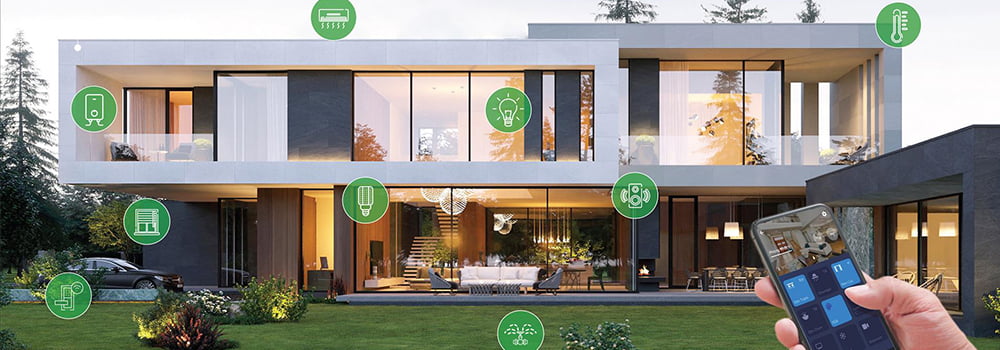
With the rise of the smart home concept, people's demand for indoor environmental comfort is increasing daily. Smart home products are developing rapidly to meet this need. This article will focus on the key role and application of temperature and humidity sensors in smart homes.
What is a Temperature and Humidity Sensor?
A temperature and humidity sensor is a device used to detect and measure indoor temperature and humidity. Its key role lies in accurately capturing and feeding back indoor environment data, providing basic data support for smart systems.
Applications of Temperature and Humidity Sensors in smart homes:
● Smart Thermostat: By monitoring indoor temperature changes in real time, the smart thermostat can adjust automatically to ensure a constant and comfortable indoor temperature.
● Smart Fan: The sensor monitors humidity, and the smart fan can intelligently adjust wind speed to keep humidity within a comfortable range.
● Smart Dehumidifier: By sensing humidity, the smart dehumidifier automatically turns on and off, effectively regulating indoor humidity and preventing moisture problems.
● Temp/Humidity Reports: Some smart home products can feed back temperature and humidity data in real time to a user's mobile app, allowing users to understand the state of their home environment at any time.
The precise monitoring and intelligent control of temperature and humidity sensors not only enhance the user's comfort experience but also help protect user health. They effectively reduce discomfort caused by humid or dry environments, improve indoor air quality, and reduce the adverse effects of excessive humidity or dryness on the human body.
Temperature and humidity sensors play a vital role in smart homes, being crucial for improving indoor environmental comfort and ensuring user health. We encourage continuous attention to and further research on this technology to promote the development of smarter and healthier smart home living environments.
