Technical Support:
158-7527-1139


The arrival of autumn brings cooler weather, but it also comes with dry conditions. This dryness not only negatively affects our skin and respiratory systems but also poses a threat to indoor comfort and health. In this article, we will delve into the hazards of autumn dryness and why controlling indoor temperature and humidity is crucial, while highlighting the key role of temperature and humidity sensors in this process.
The Hazards of Autumn Dryness
Dry weather in autumn can lead to several issues, including:
● Skin Dryness and Discomfort: Dry air strips the skin of moisture, leading to dryness, itching, and peeling. This is particularly common in autumn and can be very uncomfortable.
● Respiratory Discomfort: Dry air also has a negative impact on the respiratory system. It can cause sore throats, coughing, and other discomforts, especially for asthma sufferers.
● Damage to Home Equipment: Prolonged low humidity can damage household items such as wooden furniture, sound systems, and electronic devices.
● Static Electricity Issues: Low humidity makes static electricity more severe, which can cause electronic device malfunctions and cause hair, clothing, and other objects to cling together.

Importance of Indoor Temperature and Humidity
Controlling indoor temperature and humidity is vital for addressing autumn dryness for several reasons:
● Health Protection: Appropriate indoor humidity levels help protect the health of your skin and respiratory system. Maintaining moderate humidity reduces the risk of dryness and respiratory discomfort.
● Enhanced Comfort: Proper indoor humidity makes people feel more comfortable. During dry seasons, the right humidity can alleviate the feeling of dryness, making your home more livable.
● Equipment Protection: Controlling indoor humidity can extend the life of household equipment, avoiding unnecessary damage and repair costs.
● Energy Efficiency: Your heating system may be more efficient under the right humidity conditions. Proper humidity can make you feel warmer without needing excessive heating.
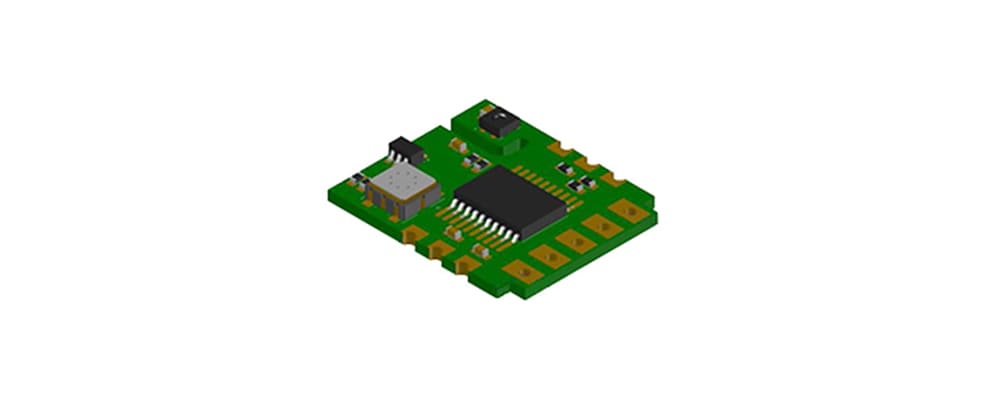
The Role of Temperature and Humidity Sensors
Temperature and humidity sensors are powerful tools for maintaining indoor environmental conditions. They monitor levels and help you take appropriate action. Their functions include:
● Real-time Monitoring: Temperature and humidity sensors provide real-time data so you are always aware of your indoor environment status.
● Automatic Control: Some smart sensors can connect with devices like air conditioners and humidifiers, automatically adjusting their operation based on monitoring data.
● Reminders and Alarms: Sensors can be set with alerts to notify you when levels fall outside the optimal range, allowing for immediate corrective action.
In dry autumn weather, mastering indoor conditions is key to protecting your health and improving home comfort. Temperature and humidity sensors are powerful tools to achieve this, helping you enjoy a healthy and comfortable home life this autumn.