

Technical Support:
158-7527-1139

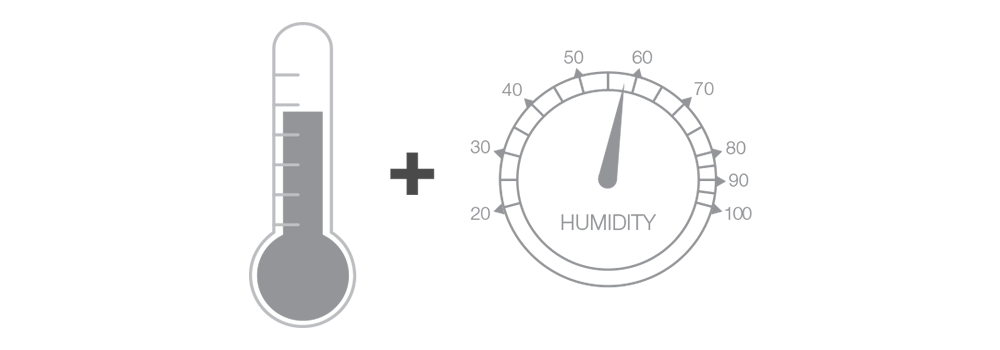
Temperature and humidity sensors are devices that measure temperature and moisture, widely used in industry, agriculture, and home automation. To understand the price range, we first need to know what factors influence the cost.
The following are common factors affecting the price of sensors:
● Type: Mainly divided into resistive, thermistor, capacitive, thermocouple, and infrared. Resistive types are the most common and relatively low-cost.
● Accuracy: Expressed in ±%RH or ±°C. Higher precision equals higher cost. For example, ±2%RH sensors are cheaper, while ±0.1%RH models are more expensive.
● Measurement Range: Typically -40°C to 125°C and 0%RH to 100%RH. Wider ranges (e.g., up to 600°C) increase the price significantly.
● Packaging: Formats like SMD, DIP, and TO-92. SMD is small and cost-effective for consumer electronics, while DIP/TO-92 are larger and suited for industrial use.
● Order Quantity: Bulk purchases reduce unit costs (e.g., 1000PCS vs. 100PCS).

Approximate Price Ranges in the Domestic Market:
In the Chinese market, low-cost sensors range from roughly 6.5 to 65 RMB for home use. Mid-range sensors for industrial/agricultural use cost between 65 and 325 RMB. High-end sensors for specialized, high-demand applications exceed 325 RMB.
In summary, choosing the right sensor requires a balanced consideration of price, performance, and the specific application scenario.
