Technical Support:
158-7527-1139

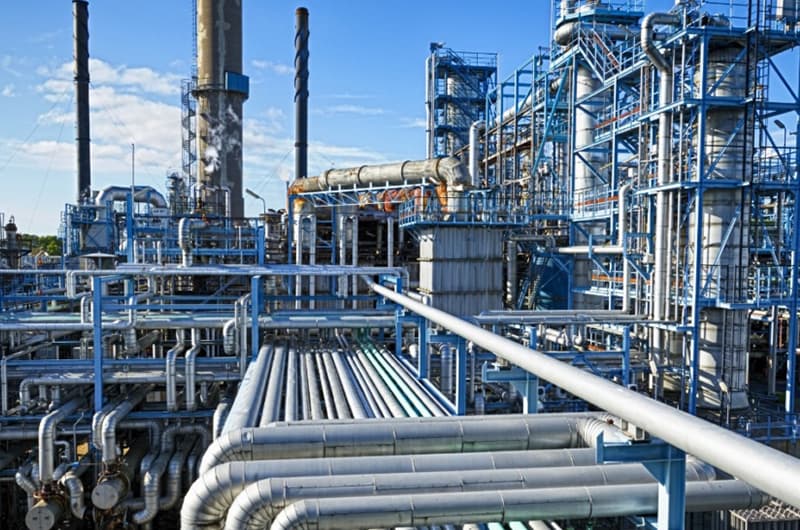
In industrial production sites, worker health and environmental pollution have always been issues that cannot be ignored. Especially in dust-intensive work environments, the presence of PM2.5 particulate matter can pose a threat to health and production equipment. This article will explore how PM2.5 sensors play a key role in these environments, providing innovative monitoring and solutions for industrial labor production.
PM2.5: A Huge Challenge from Tiny Particles:
First, we need to understand the characteristics of PM2.5 particulate matter. PM2.5 refers to tiny particles with a diameter of less than 2.5 microns; they are so small they are almost invisible, yet they pose significant health risks. In industrial environments, these particles can come from production activities such as cutting, grinding, and welding. They are suspended in the air, silently threatening workers' health.
PM2.5 Sensor: The Magician of Monitoring:
A PM2.5 sensor acts like a magician, constantly monitoring these tiny particles behind the scenes. The working principle of these sensors involves capturing and measuring the concentration of PM2.5 particles in the air through nanoscale particle sensing. Their applications in industrial labor environments include:
Protecting Worker Health: PM2.5 sensors monitor the concentration of particles in the workplace, helping factory managers take measures to reduce potential exposure risks for workers.
Equipment Protection: High concentrations of PM2.5 are not only harmful to health but can also damage production equipment. Real-time monitoring helps prevent equipment failure and improves production efficiency.
Environmental Compliance: Monitoring PM2.5 concentration helps ensure that industrial plants comply with environmental regulations and standards, reducing legal risks and the possibility of fines.
Selection and Maintenance of PM2.5 Sensors:
Choosing the right PM2.5 sensor is key. They need to meet the specific needs of industrial environments, such as operating temperature, humidity, and dust concentration ranges. Stability and accuracy are vital for monitoring precision, and regular calibration and maintenance are necessary. Additionally, data recording and analysis tools can help factory managers better understand PM2.5 exposure to formulate effective control strategies.
PM2.5 sensors are key tools in industrial labor production environments, protecting worker health and maintaining the normal operation of production equipment. By choosing appropriate sensors and conducting effective maintenance, industrial enterprises can reduce health risks, improve efficiency, and comply with environmental regulations, creating a safer and healthier work environment for workers. The PM2.5 sensor is not just a monitoring tool, but a symbol of care and commitment to the industrial labor production environment.