

Technical Support:
158-7527-1139

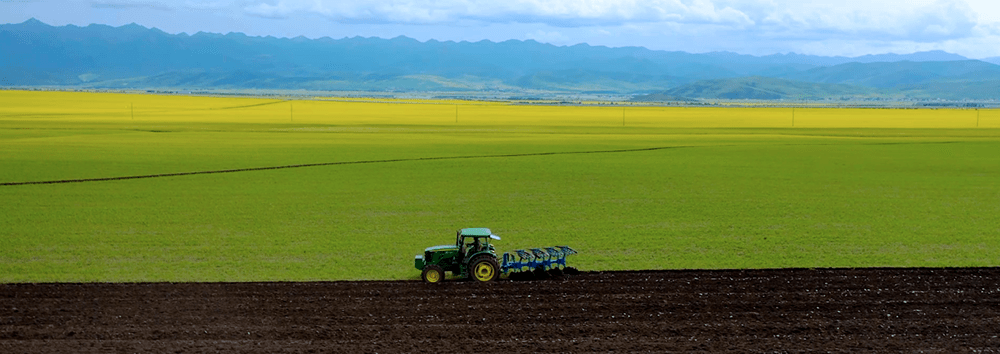
Modern agriculture has entered the digital era, and the application of smart technologies has brought immense convenience and efficiency to agricultural production. In this process, temperature and humidity sensors play a vital role. This article explores the key functions and applications of temperature and humidity sensors in modern agriculture.
Temperature and humidity sensors are devices used to monitor environmental temperature and moisture levels. They can be installed in various agricultural settings such as fields, greenhouses, and warehouses. They collect and transmit data in real-time, providing critical information for agricultural management.
1. Precise Environmental Monitoring
Temperature and humidity sensors provide highly accurate data, which is essential for crop growth. Since different plants have unique climate requirements, farmers can use this data to adjust greenhouse or field conditions to meet specific crop needs.
2. Early Warning and Risk Management
Temperature and humidity sensors can also monitor potential hazards. For instance, high heat and low humidity can cause heat stress or rapid evaporation in crops. Sensors can trigger alerts when levels reach dangerous thresholds, allowing farmers to take immediate action to mitigate risks.
3. Water Conservation and Resource Management
In modern agriculture, resource management is critical. Temperature and humidity sensors help farmers manage water more efficiently. By monitoring soil and air moisture in real-time, irrigation can be applied exactly when needed, reducing waste and improving water use efficiency.
4. Enhancing Agricultural Automation
Sensor data can be integrated with automated systems to achieve agricultural automation. This includes the automatic control of greenhouse ventilation, irrigation, and fertilization, which reduces the labor burden on farmers and increases production efficiency.
5. Precise Data Analysis
Temperature and humidity sensors provide not only real-time data but also historical records. This data can be analyzed to optimize agricultural processes. By studying these trends, farmers can better understand environmental changes in their fields or greenhouses to develop more scientific planting plans.
6. Smart Farmland Management
Temperature and humidity sensors are key components of modern smart farm management systems. These systems use sensor data for precise management, including soil monitoring, irrigation scheduling, and pest control. This not only increases yield but also reduces the use of pesticides and water.
7. Increasing Agricultural Production Efficiency
Overall, the application of temperature and humidity sensors helps modern agriculture improve productivity. By providing accurate environmental monitoring data, they empower farmers to manage resources better, lower risks, reduce waste, and improve both the quantity and quality of output.
Temperature and humidity sensors play a pivotal role in modern agriculture by providing valuable environmental data. As technology evolves, they will continue to be a cornerstone of smart agriculture, supporting the sustainable development of the food industry. In modern agriculture, the temperature and humidity sensor is not just a tool, but a key driver of agricultural innovation.
