Technical Support:
158-7527-1139

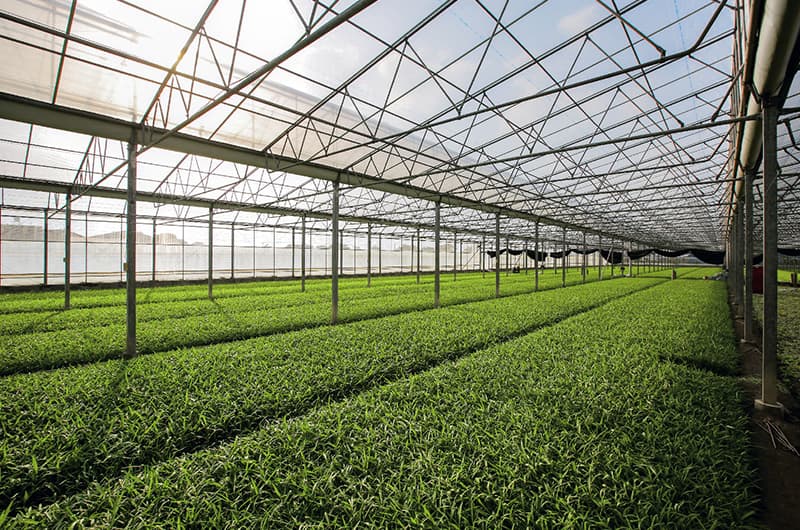
Greenhouse agriculture is becoming a major innovation in modern farming. By utilizing advanced technologies such as CO2 sensors, farmers can grow crops in controlled environments, increasing yields and reducing resource waste. This article will introduce how greenhouse agriculture achieves intelligent monitoring with CO2 sensors and the potential impact on future agriculture.
The core of greenhouse agriculture is creating an ideal growth environment, and CO2 sensors are key components. These sensors not only detect CO2 concentrations but also integrate with other systems to monitor temperature, humidity, and light. This intelligent monitoring allows farmers to understand greenhouse conditions in real-time and make necessary adjustments for different crops.
2. Optimizing Growth Conditions:
CO2 sensors ensure that carbon dioxide levels remain optimal. Plants absorb CO2 for photosynthesis; thus, ensuring a sufficient supply is vital for yield. Precise control also reduces energy consumption by minimizing unnecessary ventilation and lowering heating costs.
3. Improving Crop Quality:
Greenhouse agriculture improves not just yield but also crop quality. By maintaining optimal CO2 levels, farmers can produce more flavorful and nutritious products, meeting consumer demand for healthy food.
4. Sustainable Agriculture:
Greenhouse agriculture promotes efficiency and sustainability. By reducing pesticide/fertilizer use and resource waste, CO2 sensors help minimize environmental impact and drive eco-friendly farming practices.
The role of CO2 sensors in the intelligent monitoring of greenhouse agriculture cannot be underestimated. They contribute to productivity, resource conservation, and sustainability. As technology advances, wider application of CO2 sensors will further support global food security.