

Technical Support:
158-7527-1139

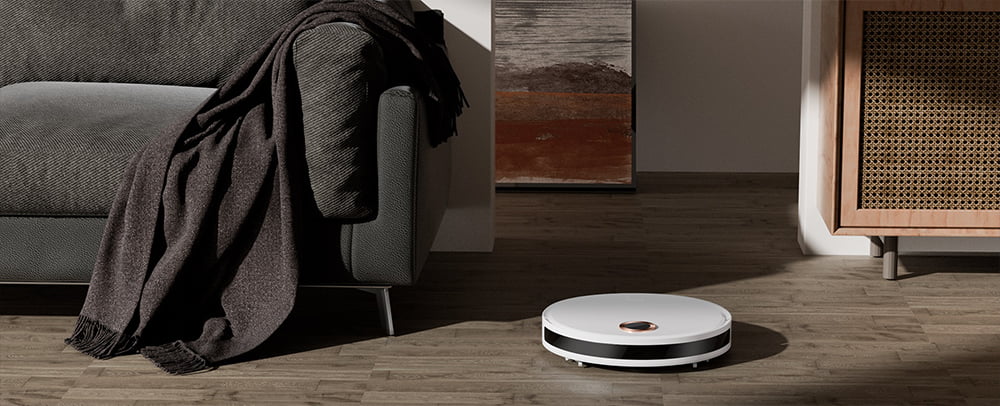
A robot vacuum is a common cleaning tool in modern homes. It can automatically clean the floor, reducing people's labor intensity. The work of a robot vacuum is inseparable from the dust sensor.
The dust sensor is an important component of the robot vacuum. It determines whether a room needs cleaning by detecting the dust concentration in the air. There are two main working principles of dust sensors:
Light Scattering Method: The light scattering method uses the degree to which light is scattered by dust to detect dust concentration. When the dust concentration is high, light will be scattered more, and the dust sensor will send a signal telling the robot vacuum that cleaning is required.
Current Method: The current method uses the influence of dust particles on electric current to detect dust concentration. When the dust concentration in the air is high, the dust particles will affect the current, and the dust sensor will send a signal telling the robot vacuum that cleaning is required.
The performance of the dust sensor directly affects the cleaning effect of the robot vacuum. A high-performance dust sensor can accurately detect dust concentration, allowing the robot vacuum to clean the room more effectively.
With the continuous development of robot vacuum technology, dust sensors have also been continuously improved. Now, dust sensors are able to detect even smaller dust particles and can work accurately even in complex environments.
The application of dust sensors makes robot vacuums more intelligent. It helps the robot vacuum clean rooms more effectively, making people's lives more comfortable.
