

Technical Support:
158-7527-1139

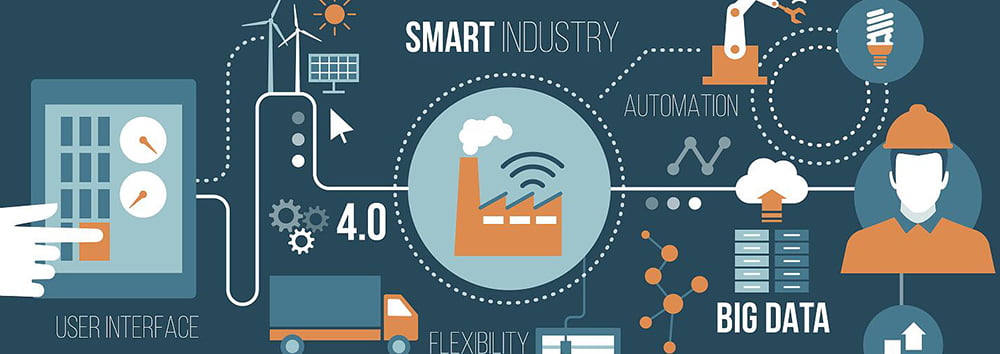
The Internet of Things (IoT) is a massive network formed by combining various information-sensing devices with the Internet. It is an upgrade of the Internet and the core of the information age. The development of the Internet of Things requires technical support such as intelligent perception, identification, and communication, and the key to perception is sensors and related technologies.
Sensors are an important component of the Internet of Things, serving as the "eyes" and "ears" for acquiring information in IoT systems. By measuring physical or chemical quantities and converting them into electrical signals or other forms of output, sensors provide perceptual capabilities for the IoT system.
Sensors play a vital role in the Internet of Things, specifically in the following aspects:
• Data Collection: Sensors are core devices for data collection, converting physical or chemical quantities into electrical signals and transmitting the data to the IoT system through communication methods.
• Monitoring: Sensors can provide real-time monitoring of objects or environments and send the data to the IoT system, enabling real-time understanding and control of status.
• Control: Sensors can control objects or environments based on collected data. For example, in industrial production, sensors can automatically adjust the operating parameters of production equipment based on environmental factors, thereby improving efficiency and product quality.
The applications of sensors in the Internet of Things are extremely extensive, covering fields such as industry, agriculture, transportation, healthcare, and smart homes. Here are some typical application cases:
• Industrial Field: In industrial production, sensors can be used to monitor equipment status, product quality, and environmental parameters. For instance, in steel production, sensors monitor furnace temperatures and gas composition to ensure steel quality.
• Agricultural Field: In agriculture, sensors monitor soil moisture, temperature, and light, increasing crop yield and quality. For example, in rice cultivation, sensors monitor growth conditions to achieve precision irrigation and fertilization.
• Transportation Field: In the transportation sector, sensors monitor traffic flow and vehicle conditions. On roads, sensors monitor vehicle speed and trajectories to implement congestion warnings and autonomous driving.
• Medical Field: In healthcare, sensors monitor patient physiology and disease progression. In cardiac care, sensors track heart rate and blood pressure to detect and prevent heart attacks timely.
• Home Field: In the home, sensors enable smart home features like intelligent lighting and security. For instance, in smart lighting, sensors automatically adjust light levels based on indoor ambient brightness.
Sensors play a critical role in the Internet of Things as the "eyes" and "ears" of the system. Advancements in sensor technology will drive the evolution of IoT, bringing more convenience and safety to our lives.
