

Technical Support:
158-7527-1139


Nowadays, environmental and health issues are receiving significant attention, especially in urban life where we need to focus on surrounding air quality. To better monitor and improve air quality, all-in-one air quality sensors have become a popular choice. This article will provide an in-depth look at the pricing of all-in-one air quality sensors and offer suggestions on how to choose the best one.
What is an All-in-one Air Quality Sensor?
An all-in-one air quality sensor is a highly integrated device that can simultaneously measure multiple key air quality parameters, such as particulate matter (PM2.5 and PM10), gases (sulfur dioxide, carbon monoxide, nitrogen oxides, etc.), temperature, and humidity. These sensors are designed to provide users with comprehensive air quality information to help them better understand their environment.
Price Range of All-in-one Air Quality Sensors
The price of all-in-one air quality sensors varies by brand, performance, and functionality. Generally, prices range from a few hundred to several thousand dollars. Cheaper sensors usually have simpler functions and are suitable for personal use or small monitoring projects. High-end sensors offer higher precision and reliability, making them suitable for large-scale environmental monitoring or professional research.
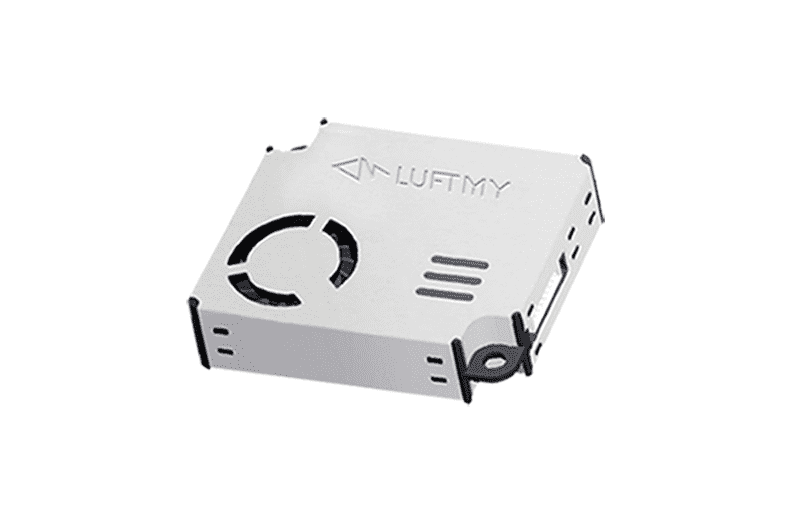
Key Factors for Choosing an All-in-one Air Quality Sensor
When purchasing an all-in-one air quality sensor, several key factors should be considered:
1. Precision and Accuracy
Ensure the sensor has high precision and accuracy to obtain reliable data. High-quality sensors usually offer better measurement performance.
2. Functions and Parameters
Choose appropriate parameters based on your needs. Different sensors measure different parameters; ensure your choice matches your application requirements.
3. Data Output and Connectivity
Consider the sensor's data output method and whether it can integrate with your data collection system or application.
4. Brand Reputation
Select sensors from well-known brands, as they typically offer better quality and customer support.
5. Maintenance and Calibration
Understand the maintenance requirements and calibration cycles of the sensors to ensure they remain stable during long-term use.
All-in-one air quality sensors are powerful tools for monitoring and improving air quality. Although the price range is wide, you can find a suitable option based on your needs and budget. Before purchasing, carefully consider the sensor's performance, functionality, and brand reputation to ensure it meets your project requirements.
Whether you are an individual user or a professional in environmental monitoring, choosing the right all-in-one air quality sensor will help better protect your health and the environment. We hope this article is helpful to you. Thank you for reading! If you have any questions or concerns, please feel free to contact us.
