

Technical Support:
158-7527-1139

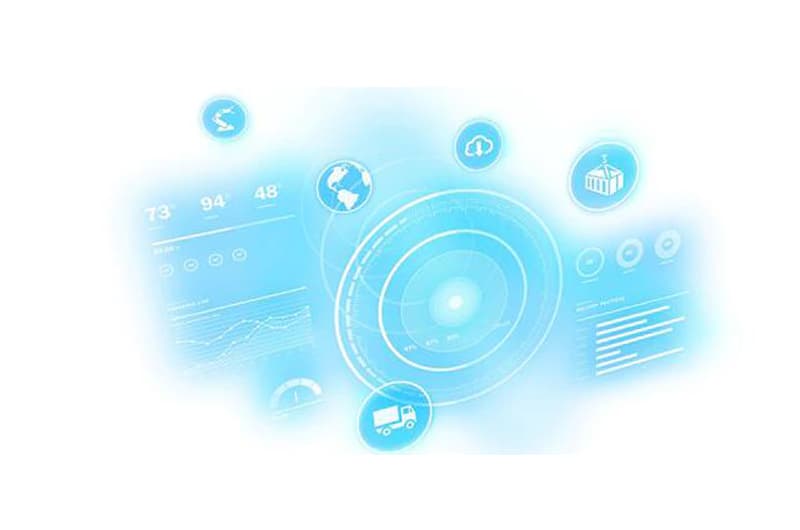
Sensors are the “eyes” and “ears” of smart devices. They are responsible for collecting external environmental information and providing data support for the decision-making and execution of smart devices. The accuracy and stability of sensor data directly affect the performance and reliability of smart devices.
The accuracy of sensor data refers to the consistency between the sensor's measured value and the true value. The higher the accuracy of sensor data, the more precise the decision-making and execution of smart devices will be. For example, sensor data used for autonomous driving must have very high accuracy to ensure vehicles travel safely in complex environments.
The stability of sensor data refers to the ability of the sensor's measured values to remain consistent over a certain period of time. The higher the stability of sensor data, the more reliable the performance of the smart device. For instance, sensor data used for medical monitoring must have high stability to ensure the life safety of patients.
The accuracy and stability of sensor data have the following significance for the development of smart devices:
Improving the performance of smart devices: The accuracy of sensor data is the foundation of smart device performance. The more accurate the sensor data, the more precise the decisions and execution of the smart device, thereby enhancing overall performance.
Enhancing the reliability of smart devices: The stability of sensor data is the guarantee of smart device reliability. The more stable the sensor data, the more reliable the performance of the smart device.
Expanding the application range of smart devices: The accuracy and stability of sensor data are prerequisites for smart device applications. Only when sensor data is accurate and stable can smart devices be applied in more complex environments, thereby expanding their application scope.
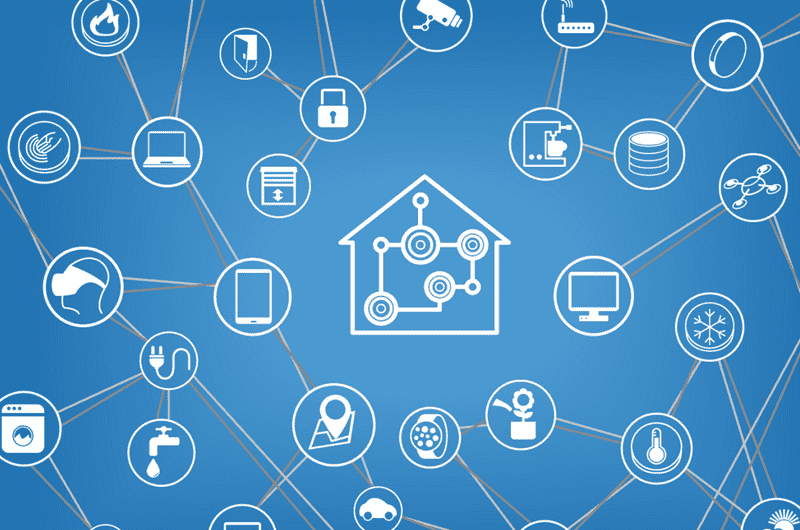
In recent years, with the rapid development of technologies such as the Internet of Things (IoT) and Artificial Intelligence (AI), the application range of smart devices has become increasingly extensive. The accuracy and stability of sensor data have also become key factors in the development of smart devices. To improve the performance and reliability of smart devices, it is necessary to continuously improve sensor technology and enhance the accuracy and stability of sensor data.
The following are some measures to improve the accuracy and stability of sensor data:
Adopting advanced sensor technology: Using advanced sensor technology can improve measurement precision and stability. For example, MEMS technology can be used to manufacture sensors with small size, low power consumption, and superior performance.
Optimizing sensor design: Optimizing the design can improve the anti-interference capability and stability of sensors. For instance, employing multi-sensor fusion technology can improve the accuracy of sensor data.
Refining sensor calibration methods: Perfecting calibration methods can improve the accuracy of sensor data. For example, adopting online calibration technology can achieve dynamic calibration of sensor data.
With technological progress, the accuracy and stability of sensor data will continue to improve, providing strong support for the development of smart devices.
