

Technical Support:
158-7527-1139

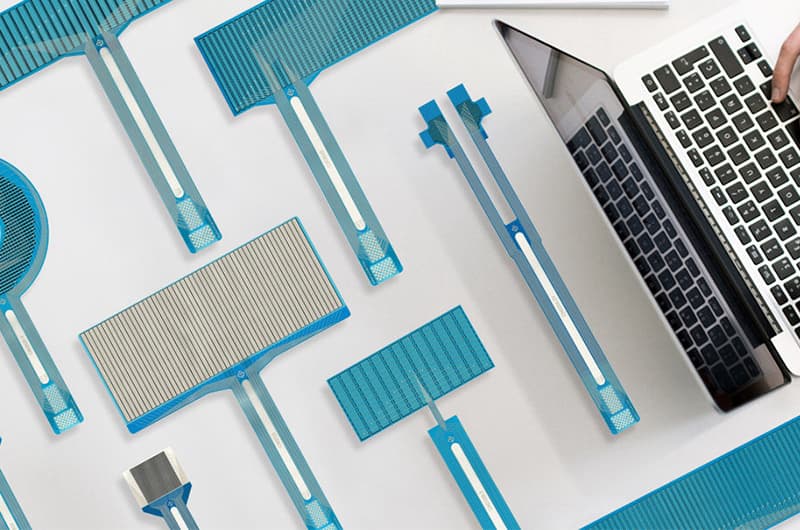
Against the backdrop of modern technological development, sensors have become indispensable tools in many fields. Whether in industrial automation, healthcare, environmental monitoring, or consumer electronics, sensors play a vital role. However, people often concern themselves with one question: What is the typical lifespan of a sensor? This article will delve into the lifespan of sensors and the factors that affect it to help people better understand and manage these critical devices.
Basic Working Principle of Sensors
First, let us understand the basic working principle of sensors. A sensor is a device that can detect and perceive specific physical quantities or environmental parameters, such as temperature, humidity, light, pressure, current, and voltage. They provide useful information by converting these physical quantities into electrical signals or digital data. Different types of sensors are used to measure different parameters—for example, temperature sensors measure temperature, light sensors measure light intensity, pressure sensors measure pressure, and so on.
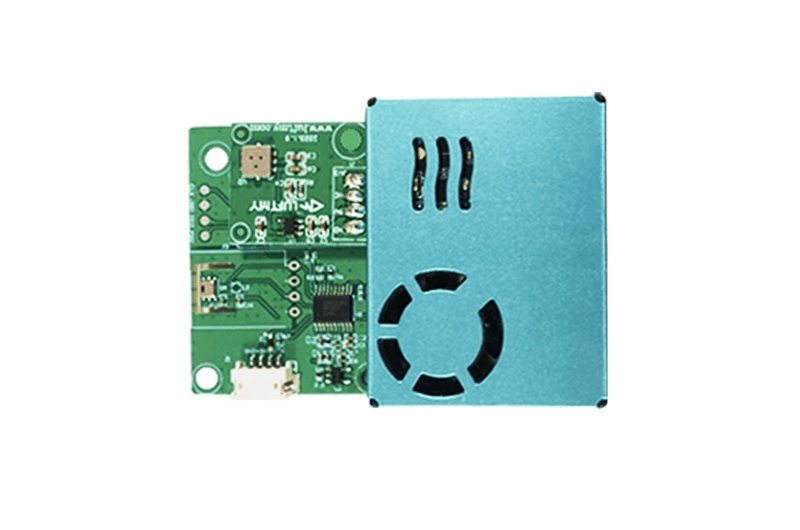
Sensor Types and Lifespan
The lifespan of a sensor depends on several factors, the most important being the type of sensor, manufacturing quality, operating environment, and the level of maintenance. Below are some common types of sensors and their typical lifespan ranges:
1. Temperature Sensors:
Temperature sensors generally have a long lifespan, reaching over 10 years. These sensors are typically used in indoor environments and are less affected by relatively stable temperature and humidity. However, long-term use may lead to a decrease in accuracy, so regular calibration remains important.
2. Pressure Sensors:
The lifespan of pressure sensors is usually between 5 to 10 years. They are used to monitor the pressure of gases or liquids and are commonly found in industrial automation and automotive manufacturing.
3. Light Sensors:
Light sensors usually have a long lifespan, reaching over 10 years. They are used to detect light intensity, such as in lighting control and environmental monitoring.
4. Humidity Sensors:
The lifespan of humidity sensors is typically between 5 to 10 years. They are used to measure moisture levels in the air and are common in weather stations, greenhouses, and HVAC (Heating, Ventilation, and Air Conditioning) systems.
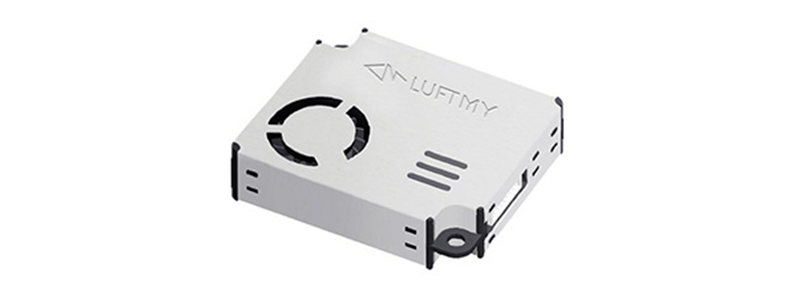
Factors Affecting Sensor Lifespan
The exact duration of a sensor's lifespan is influenced by various factors, including the following aspects:
● Manufacturing Quality: The manufacturing quality of a sensor is crucial to its lifespan. High-quality sensors typically have longer lifespans and higher performance stability.
● Operating Environment: The environmental conditions where the sensor is located also affect its lifespan. Extreme temperatures, humidity, vibration, or chemicals may shorten the lifespan of a sensor.
● Frequency of Use: The frequency of use is also a key factor. Frequent use and measurements may cause the sensor to wear out faster.
● Maintenance and Upkeep: Regular maintenance and upkeep can help extend a sensor's lifespan. This includes periodic calibration, cleaning, and inspection.
In summary, sensor lifespan is a complex issue; different types of sensors have different lifespans in various operating environments. However, by choosing high-quality sensors, providing a suitable operating environment, and performing regular maintenance, you can extend the sensor's lifespan and ensure it continues to provide accurate data. Sensors play a key role in modern technology; understanding and managing their lifespan is an important step in ensuring they function correctly and provide reliable data for various applications.
