

Technical Support:
158-7527-1139


Carbon dioxide (CO2) sensors are vital devices widely used in environmental monitoring, industrial control, and indoor air quality management. They measure and monitor CO2 concentrations in the environment, providing accurate data for analysis and control. However, many are curious about how far the detection distance of a CO2 sensor is. This article will explore the working principle of CO2 sensors and the factors affecting their detection distance.
Working Principle of CO2 Sensors
The working principle of CO2 sensors is based on Non-Dispersive Infrared (NDIR) spectroscopy. It uses an infrared light source and a detector to measure the absorption characteristics of CO2 molecules. The source emits infrared light at a specific wavelength; as it passes through CO2 in the air, the molecules absorb specific wavelengths. The sensor's detector measures the intensity of the absorbed light to determine the level of CO2 concentration.
Factors Affecting CO2 Sensor Detection Distance
● The detection distance of a CO2 sensor is influenced by various factors, including sensor technology and design, CO2 concentration levels, environmental conditions, and other interference factors.
● Sensor Technology and Design: Different types of sensors have varying sensitivities and ranges. High-quality sensors typically offer wider detection ranges and more accurate results.
● CO2 Concentration Levels: Detection distance is closely related to ambient CO2 levels. Generally, sensors can detect over longer distances when CO2 concentration is high. However, distance may be limited when concentration is low.
● Environmental Conditions: Temperature, humidity, and atmospheric pressure can affect performance. For instance, extreme temperatures may interfere with the sensor to varying degrees, affecting its range.
● Other Interference Factors: Other gases and particulates in the air can impact distance by interfering with the interaction between the sensor and CO2 molecules, thereby skewing measurements.
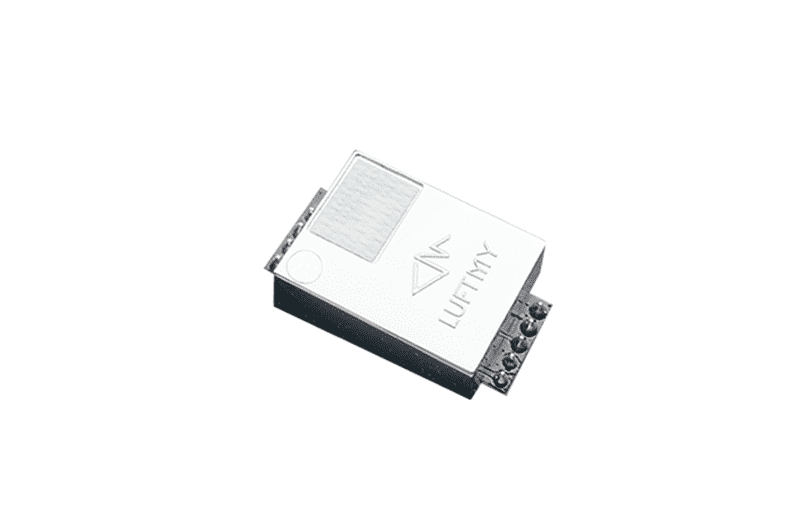
The detection distance of a CO2 sensor is a complex issue affected by many variables. Sensor tech, CO2 concentration levels, environmental conditions, and interference all play a role. To obtain accurate and reliable results, it is vital to select the right sensor and ensure correct installation and use based on actual needs.
In practical applications, an appropriate sensor should be chosen based on the specific environment. For scenarios requiring long-distance detection, sensors with higher sensitivity and wider ranges should be selected. Additionally, maintaining optimal ambient conditions (temperature, humidity, pressure) can enhance performance.
In summary, CO2 sensor detection distance is complex and variable. Choosing the right sensor, monitoring environmental conditions, and accounting for interference can improve distance and accuracy. Through proper selection and use, CO2 sensors provide reliable data support for environmental monitoring and air quality management, creating healthier living environments.
