

Technical Support:
158-7527-1139

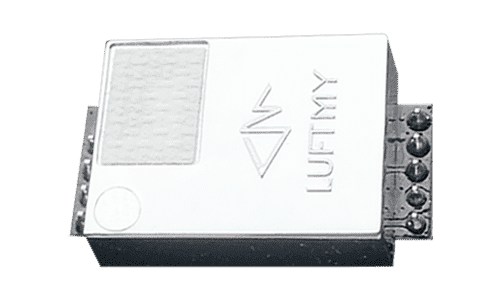
As a converter that transforms the volume fraction of a specific gas into a corresponding electrical signal, the gas sensor has been widely used in civil, industrial, and environmental testing. Nowadays, there are various targeted types of gas sensors on the market, such as PM2.5 sensors, particle sensors, dust sensors, carbon monoxide sensors, oxygen sensors, and combustible gas sensors, which are also widely utilized.
Currently, the civil sector is the main application field for semiconductor metal oxide gas sensors. This is primarily because semiconductor metal oxide gas sensors are affordable and their performance meets the requirements for household use.
The application of gas sensors in the civil field is mainly reflected in kitchens for detecting city gas leaks, as well as in meeting rooms and public places equipped with PM2.5 sensors, carbon dioxide sensors, and smoke sensors to control the automatic operation of air purifiers or electric fans. In some high-rise buildings, gas sensors can also be used for fire detection and alarms.
In the industrial field, gas sensors are mainly used in the petrochemical industry. Certain carbon dioxide sensors, ammonia sensors, and nitric oxide sensors can be used in specific applications to detect harmful gases such as carbon dioxide, ammonia, and chlorine. In the power industry, hydrogen sensors can detect hydrogen generated during the deterioration of power transformer oil. In the food industry, gas sensors can also detect the freshness of meat and perishable foods.
Environmental testing is closely related to people's daily lives and is also a major application area for gas sensors. For instance, toxic and harmful gases in the air such as carbon monoxide, sulfur dioxide, formaldehyde, and PM2.5 seriously threaten human health. In such cases, corresponding gas sensors are required to monitor ambient air quality.
