

Technical Support:
158-7527-1139

As concerns regarding indoor air quality continue to grow, choosing an appropriate fresh air system has become crucial. However, one key factor that is often overlooked is sensor technology. This article will discuss the role of sensors when selecting a fresh air system and how they improve indoor air quality and system performance.
The Importance of Fresh Air Systems
A fresh air system is a device capable of introducing fresh air indoors and exhausting stale air to maintain indoor air quality. It can effectively reduce harmful substances, odors, and humidity, providing a healthier indoor environment. However, whether sensors are considered when choosing a fresh air system often determines the system's performance and the improvement of indoor air quality.

The Role of Sensors in Fresh Air Systems
Sensors play an important role in fresh air systems. Their roles mainly include the following aspects:
Sensors in a fresh air system can monitor indoor air quality, including temperature, humidity, CO2 concentration, and formaldehyde concentration. This data can be used for real-time monitoring of the indoor environment to ensure indoor air quality remains within acceptable limits.
2. Indoor Air Purification
Some fresh air systems are equipped with air purifiers, which are typically controlled by sensors. When the sensor detects that harmful substances in the indoor air exceed the threshold, the purifier will automatically start to remove pollutants and improve air quality.
3. Energy Efficiency Optimization
Sensors can also help fresh air systems achieve energy efficiency optimization. By monitoring indoor environmental data in real time, the system can adjust air volume and operating time according to actual needs, thereby reducing energy consumption and improving efficiency.
4. Indoor Health
Sensor technology also contributes to better indoor health. By regularly monitoring indoor air quality, the system can better manage air circulation, prevent excessive humidity, accumulation of harmful gases, and bacterial growth, providing a healthier indoor environment.
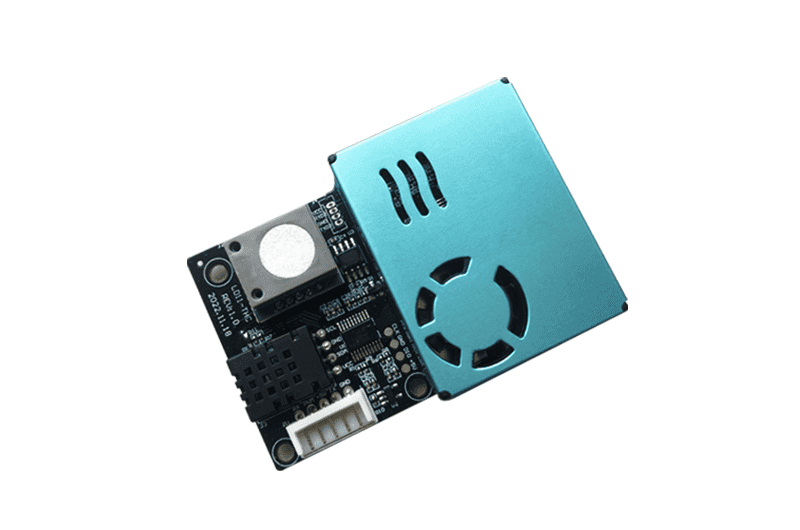
How to Choose the Right Sensor
When selecting a fresh air system, considering the type and performance of sensors is vital. Here are some factors to consider:
1. Sensor Type
Different types of sensors serve different monitoring needs. CO2 sensors are used for carbon dioxide concentration, temperature sensors monitor indoor temperature, humidity sensors monitor moisture levels, and formaldehyde sensors detect formaldehyde concentrations. Choose the appropriate sensor type based on your requirements.
2. Accuracy and Sensitivity
The accuracy and sensitivity of sensors are critical for effective monitoring and control. Select high-precision and sensitive sensors to ensure the system accurately monitors and responds to indoor environmental changes.
3. Data Integration
Sensors should be compatible with the system's data integration capabilities. This allows the system to effectively acquire and analyze sensor data for automatic control and alarm functions.
4. Programmability
Some sensors feature programmable functions, enabling you to adjust sensor thresholds and operating modes according to specific needs. This programmability enhances the system's customization.
5. Brand and Quality
Choose trusted brands and high-quality sensors to ensure reliable performance and accurate data over long-term use.

Synergy between Sensors and Fresh Air Systems
The synergy between sensors and fresh air systems enables smarter indoor air quality management. Here are some advantages of this synergy:
Real-time Monitoring and Control: Sensors provide real-time data, allowing the fresh air system to automatically adjust operations to ensure indoor air quality remains in an ideal state.
Automatic Alarms: When a sensor detects that the concentration of indoor harmful substances exceeds the safety threshold, the system can automatically issue an alarm to remind the user to take action.
Energy Efficiency Optimization: After sensors detect environmental changes, the fresh air system can adjust air volume and operating time to reduce energy consumption and improve efficiency.
Indoor Air Quality Improvement: The synergy between sensors and fresh air systems helps continuously improve indoor air quality, providing residents with a healthier indoor environment.
In selecting a fresh air system, the sensor is a key factor. They monitor the indoor environment, improve indoor air quality, achieve energy efficiency optimization, and enhance indoor health. Consider the type, accuracy, data integration, programmability, and quality of sensors to ensure your chosen fresh air system can work synergistically with the sensors to provide more benefits for your indoor environment. Therefore, the answer is yes: when choosing a fresh air system, the sensor is an important factor that can significantly improve your quality of life.
