

Technical Support:
158-7527-1139

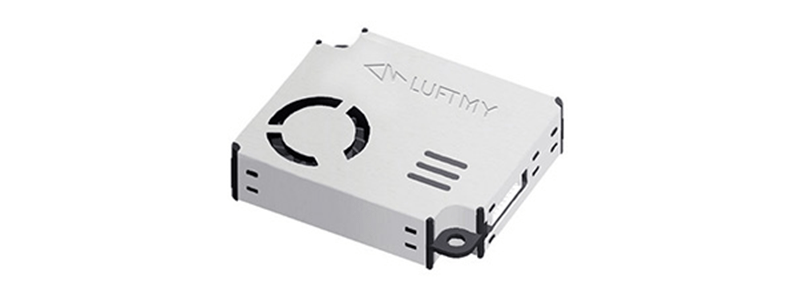
In today's health and safety-conscious society, sensor technology plays an important role in our lives. In both indoor and outdoor environmental monitoring, PM2.5 sensors and smoke sensors are two common devices that help maintain our safety and health. But what are the differences between these two types of sensors? This article will explore the differences between PM2.5 sensors and smoke sensors to better understand their applications and functions.
Working Principle
● PM2.5 Sensor: PM2.5 sensors are devices used to measure the concentration of PM2.5 particulate matter in the atmosphere. They use laser or light scattering technology to determine the concentration of PM2.5 particles by measuring the scattering of light on the particles. These particles are fine matter that can remain suspended in the air and pose potential health hazards.
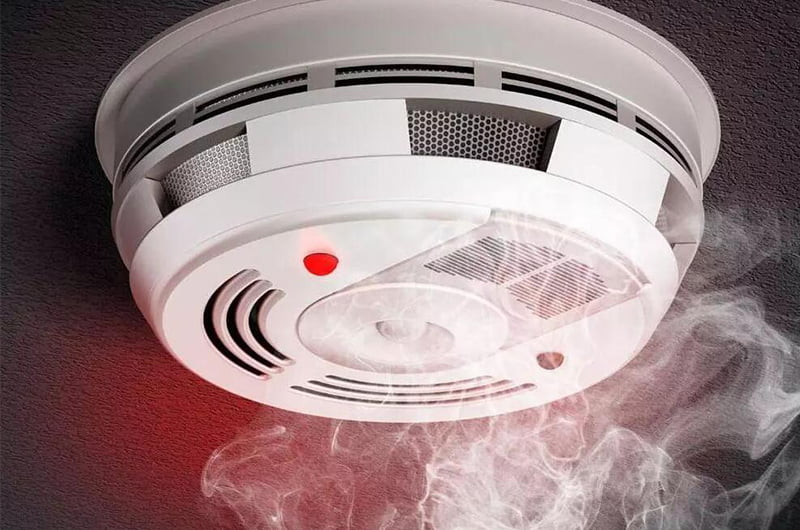
● Smoke Sensor: Smoke sensors are designed to detect smoke or fumes in the air. They typically use photoelectric sensing technology; when smoke enters the sensor, it scatters the light, triggering an alarm. This enables smoke sensors to detect fire and smoke events.
Application Fields
● PM2.5 Sensor: PM2.5 sensors are primarily used for air quality monitoring. They are widely used in urban and industrial environments to measure the concentration of fine particulate matter, helping people understand the level of atmospheric pollution. Additionally, they are embedded in air purifiers to automatically adjust the level of air cleaning based on real-time air quality data.
● Smoke Sensor: Smoke sensors are mainly used for fire detection and safety applications. They are installed in residential, commercial buildings, and industrial facilities to monitor signs of fire. When a sensor detects smoke, it triggers an alarm system to notify people to take timely action.
Detection Targets
● PM2.5 Sensor: The primary detection target of the PM2.5 sensor is fine particulate matter with a diameter of less than 2.5 micrometers. These particles are harmful to health because they can penetrate deep into the respiratory tract, causing damage to the lungs and cardiovascular system.
● Smoke Sensor: The detection targets of smoke sensors are smoke and fire. They are designed to detect combustion products in the air, such as smoke and carbon monoxide, to detect fires early and reduce losses caused by fire.
While PM2.5 sensors and smoke sensors are both critical sensor technologies, they have significant differences in working principles, application fields, and detection targets. PM2.5 sensors help monitor air quality, helping us better understand atmospheric pollution, while smoke sensors are key components of fire detection and safety, providing timely discovery of potential fire threats. Choosing the appropriate sensor depends on your specific needs and environment.
