

Technical Support:
158-7527-1139

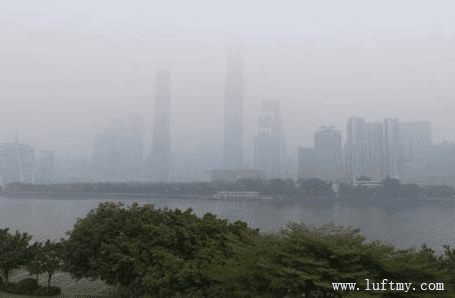
1. What are the sources of haze?
①. Vehicle exhaust. Large diesel vehicles are the main "culprits" of PM10 emissions, including large buses, corporate shuttle buses, and large transport trucks. Sources of toxic particulates in cities: first is vehicle exhaust. Diesel-powered vehicles are the "main offenders" in emitting fine particulate matter. Although small gasoline-powered cars emit gaseous pollutants like nitrogen oxides, they can easily transform into secondary particulate pollutants on foggy days, aggravating haze.
②. Waste gas generated by coal-burning for heating in the North during winter.
③. Waste gas emitted from industrial production. For example, metallurgy, kilns and boilers, mechanical and electrical manufacturing, as well as waste gas emitted from a large number of auto repair spray painting and building material production kiln combustion.
④. Dust generated by construction sites and road traffic.
⑤. Growable particles. The particle size of bacteria and viruses is equivalent to PM0.1-PM2.5. When the humidity and temperature in the air are suitable, microorganisms will attach to particulate matter, especially oil fume particles. After absorbing oil droplets, microorganisms transform into more microorganisms, causing the growth of biological toxic substances in haze to increase.
⑥. Dust "haze" is also generated during home decoration. Indoor dust filling the air is not only harmful to the health of workers and users and adds to the cleaning burden, but severe dust also poses many hidden dangers to decoration projects.
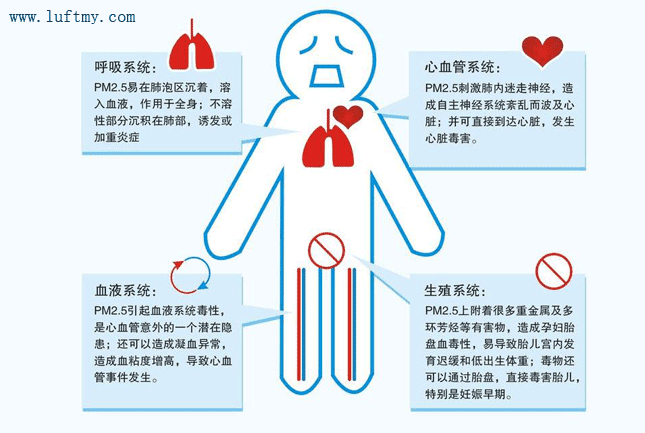
2. What are the hazards of haze?
①. Inducing respiratory diseases. The composition of haze is very complex, containing hundreds of types of particulate matter. These particles enter the respiratory tract through human breathing and can trigger respiratory diseases such as bronchitis and asthma.
②. Triggering cardiovascular and cerebrovascular diseases. In haze weather, the low oxygen content in the air will speed up the heartbeat and cause chest tightness and shortness of breath. It is especially harmful to the elderly.
③. Causing various bacterial diseases. Because haze prevents sunlight from reaching the ground or results in weak sunlight, bacteria, viruses, and microorganisms on the surface can multiply rapidly, causing diseases such as allergies.
④. Increased risk of cancer. It is well known that smokers have a 60% higher risk of lung cancer than ordinary people, but haze contains more harmful particulate matter, so haze is more likely to cause cancer than smoking.
⑤. Making people feel depressed and irritable. People's moods are easily affected by the weather. Haze weather is gloomy and dark with dirty air, making people's emotions low and irritable, and lacking vitality in doing things.
⑥. Prone to traffic accidents. Haze weather reduces visibility; in severe cases, one can only see a few meters away. This poses significant safety risks for pedestrians and vehicles on the road and is very dangerous.

3. How to prevent the hazards of haze weather to the human body?
①. Wear masks and go out less
During haze days, citizens should go out as little as possible and cancel morning exercise. When going out is necessary, wear medical masks for protection to avoid respiratory irritation and diseases; after returning, wash your face and exposed skin immediately.
At the same time, it is suggested that masks should not be worn continuously for more than 4 hours, and they should be cleaned and disinfected with boiling water daily to ensure hygiene. However, some popular personalized and cartoon masks are only one or two layers thick, making it difficult to filter viruses and dust in the air.
②. Close doors and windows, purify the air
Under haze weather conditions, families should close doors and windows and wait until the haze dissipates and the sun comes out to open windows for ventilation. The filter of an air purifier can effectively adsorb harmful substances and purify the air.
③. Eat more vegetables and fish
When air quality is poor, various "lung-cleansing" recipes appear online, ranging from pig and duck blood to various herbs.
The so-called "lung cleansing" means clearing heat, diuresis, and detoxification. "It is not necessary to eat pig and duck blood; mung bean soup, red bean soup, and lotus seed heart water are sufficient." In addition, drinking more water and eating more vegetables and fruits as recommended by netizens are also appropriate choices. The diet during haze weather should consist of light, easy-to-digest, and vitamin-rich foods. Eat more fresh vegetables and fruits, avoid stimulating foods, and consider increasing intake of foods with yin-nourishing and lung-moistening effects, such as lily, fish, white fungus, black fungus, pig blood, and duck blood.

4. Functions of air purifiers
①. Purifying air: Negative air ions make aerosol substances such as dust, smoke, pollen, droplets, and suspended microorganisms easy to aggregate and settle. They can oxidize with organic substances in the air to eliminate odors, thus cleaning the air and improving environmental quality;
②. Sterilization: Negative air ions can combine with bacteria and microorganisms/viruses attached to dust in the air, causing them to fall. Experimental studies have shown that negative air ions have a strong inhibitory effect on airborne microorganisms, causing viruses to lose their ability to attack cells, thus killing bacteria and purifying the air;
③. Eliminating static electricity: Static electricity is generally caused by positively charged ions. Negative ions in the air combine with positive ions to eliminate static electricity;
④. Biological effects: Experimental studies and clinical observations show that negative air ions have various biological effects on the body.

5. Air purifier PM2.5 dust sensor
Luftmy focuses on the research, production, and sales of optical particulate matter sensor technology. Luftmy sensors, including infrared dust sensors, laser dust sensors, PM2.5 sensors, micro-dust sensors, particulate matter sensors, dust sensors, and air quality sensors, are widely praised in the industry for multiple performance indicators such as measurement accuracy, stability, consistency error, and anti-interference.
