Technical Support:
158-7527-1139

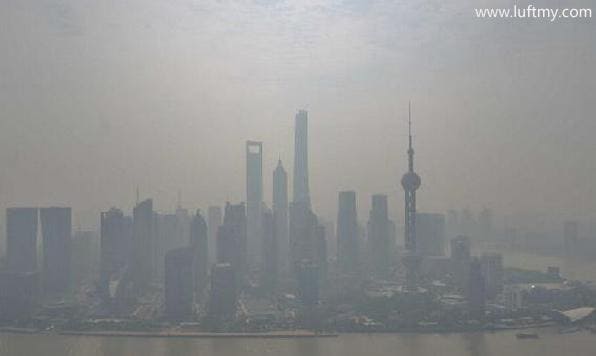
PM2.5 refers to particulate matter in the atmosphere with a diameter less than or equal to 2.5 micrometers. PM2.5 can easily carry a large amount of toxic and harmful substances and can enter and deposit in the human alveoli. The organic pollutants, such as polycyclic aromatic hydrocarbons, and heavy metals it carries can transfer to other parts of the body through the circulatory system, having a significant impact on human health and air quality.
PM2.5 monitoring and sampling technologies have developed rapidly, bringing development opportunities for PM2.5 sensors, especially as the nation emphasizes environmental pollutants. With the rapid development of industrialization and urbanization in China, environmental issues are gradually becoming prominent. Heavy pollution weather, with atmospheric PM2.5 fine particles as the primary pollutant, occurs frequently, with PM2.5 concentration levels often exceeding measurable limits.
China has successively released standards related to particulate matter monitoring instruments and methods. The State Council recently issued the newly revised "Ambient Air Quality Standards," adding PM2.5 monitoring indicators for the first time. Relevant departments have successively carried out monitoring for projects such as fine particulate matter in key regions like Beijing-Tianjin-Hebei, the Yangtze River Delta, and the Pearl River Delta, as well as in municipalities and provincial capitals. The General Office of the State Council issued the "Measures for Assessing the Implementation of the Air Pollution Prevention and Control Action Plan." The "Measures" point out that assessment indicators include the completion of air quality improvement goals and the completion of key tasks for air pollution prevention and control. The completion of air quality improvement goals uses the annual average concentration reduction ratio of fine particulate matter (PM2.5) or inhalable particulate matter (PM10) in various regions as the assessment indicator. The China VI vehicle standard proposes further strengthening emission limits for nitrogen oxides and particulate matter, with an overall goal of being 30% stricter than the China V standard. It is evident that the market demand for monitoring ultra-fine particles such as PM2.5 in China is increasing significantly, with the market size for PM2.5 monitoring equipment expected to reach 40 billion yuan.
Since the development of PM2.5 detection instruments, people have fully recognized the impact of atmospheric fine particles on the human body and the environment. The rapid development of microelectronics, lasers, computer technology, modern chemistry, and electron microscopy has led to the development of particulate matter filter sampling and chemical analysis methods suitable for the atmospheric environment, greatly improving the precision and accuracy of automatic particulate matter monitoring instruments.
In recent years, China's dust PM2.5 particle sensors and dust monitoring technology have also developed rapidly. Laser PM2.5 sensors and PM2.5 detector modules developed and produced by Luftmy, a PM2.5 sensor manufacturer, are widely recognized by customers in fields such as air purifiers, fresh air systems, portable instruments, air quality monitoring equipment, air conditioners, and smart home devices due to their excellent performance.