

Technical Support:
158-7527-1139

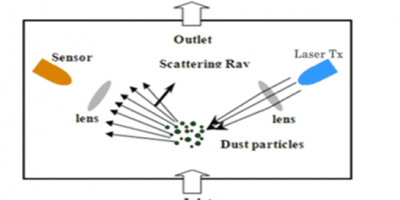
Testing The principle of air purification can be simply viewed as three steps: detection, purification, and release. The air purifier detects indoor pollutants, filters them, and then releases clean air. These three steps must work well together for the air purifier to be most effective. How an air purifier quickly senses changes in indoor air quality, provides feedback to the user, and adjusts its speed is undoubtedly more effective for cleaning air and energy-saving longevity.

Testing A gas sensor is a device that converts information such as gas composition and concentration into information that can be used by personnel, instruments, and computers. Gas sensors include: semiconductor gas sensors, electrochemical gas sensors, catalytic combustion gas sensors, thermal conductivity gas sensors, infrared gas sensors, etc. Gas sensors are commonly used detection instruments with applications in coal mines, petroleum, chemicals, electronics, metallurgy, and other fields. Therefore, there are certain selection tips when choosing a gas sensor to ensure suitability. Today, the Luftmy editor will introduce these tips in detail, hoping to help everyone.
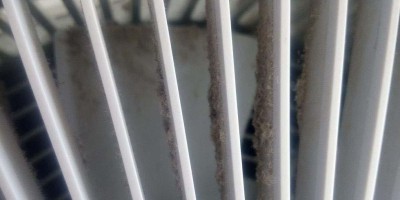
Testing With the development of urban industrialization, urban air pollution is becoming more serious. Many populated cities have experienced haze, and many families choose to buy air purifiers to improve the indoor environment. Air purifiers effectively filter dust and particulate matter from the air and remove odors. If you find that odors are not being removed during use, it is likely that the air purifier needs cleaning. Regular cleaning is necessary to ensure the effectiveness of the purifier. Below is an introduction on how to clean an air purifier:
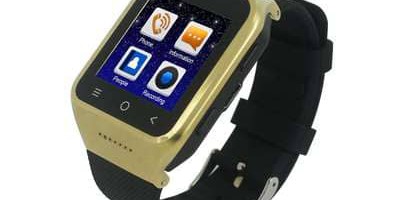
With the development of mobile technology, smartwatches have become increasingly popular. Besides telling time, they also feature navigation, reminders, monitoring, and calling functions. These functions are all achieved using various sensors. Different sensors implement different features such as heart rate monitoring, sleep tracking, sedentary reminders, and GPS positioning. So, what kinds of sensors are used in smartwatches?

Modern laser sensors are used for measuring thickness, displacement, and distance in automation and robotics. They offer high precision and compact design.
A laser power sensor detects a laser beam and outputs a signal proportional to power. The type of sensor depends on power level, spectrum, and beam size.
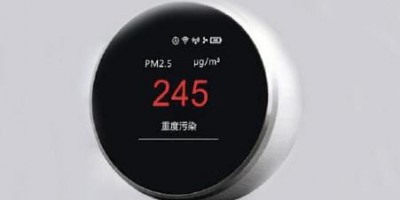
Air pollution is worsening due to industrialization and exhaust. PM2.5 affects multiple body systems. This article reviews its health mechanisms.
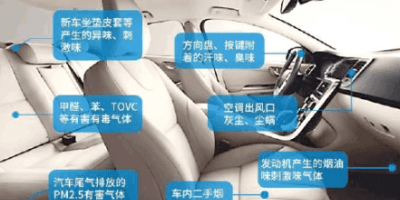
As consumer markets mature, in-car air quality is becoming a key competitive feature for automobiles. Automotive-grade laser sensors are now essential components.
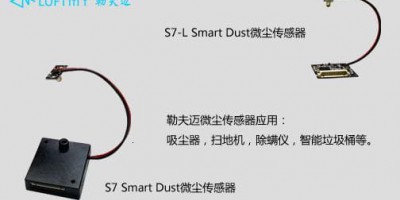
Daily activities like cooking, smoking, and cleaning increase indoor dust. Pets and microbes are also sources of indoor particles.
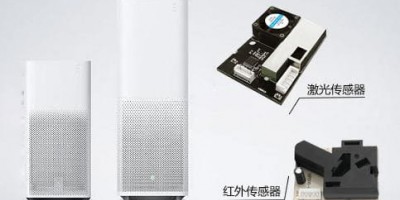
With rising health awareness, air quality products are popular. Manufacturers often promote their own sensor tech. This article discusses which sensor type is better from a user value perspective.
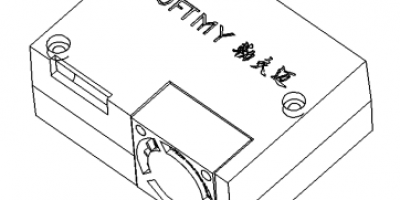
With the rising living standards and health awareness, air quality issues are receiving more attention. Consequently, air quality monitoring and purification products have seen increased focus. Online shopping data in recent years shows a steady rise in demand for air purifiers, indirectly leading to an increase in manufacturers. Many manufacturers struggle to choose between laser and infrared PM2.5 dust sensors. Here, LUFTMY will introduce the differences between the two from four aspects:

Guangzhou LUFTMY Intelligent Technology Co., Ltd. and Siemens (China) Co., Ltd. have reached a strategic partnership and jointly established a Sensor Research Institute. Both parties will fully combine their resources to focus on the research and application of sensor technology and algorithms, leveraging advantages in scientific research, capital, and talent to accelerate development in the sensor field.
