

Technical Support:
158-7527-1139

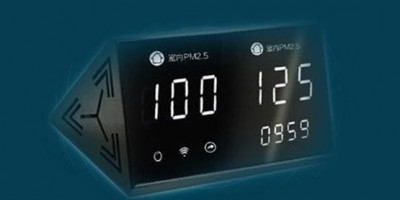
With the concept of PM2.5, people focus more on their environment. High PM2.5 values indicate severe pollution and haze, caused by suspended fine particles.
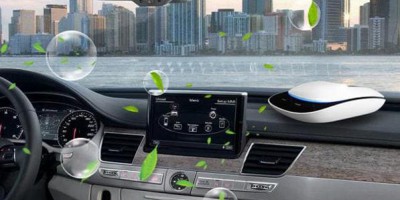
As living standards rise, people focus more on air quality in their cars. Monitors alert drivers to pollution and trigger protective measures for passenger safety.
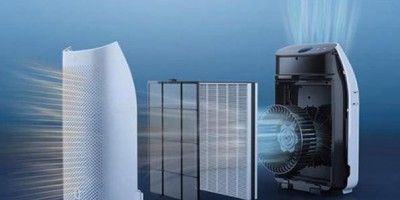
Statistics show indoor pollution is often 5-10x higher than outdoors. Purifiers and air systems now use laser sensors to monitor PM2.5 levels in real-time for better purification.

PM2.5 refers to particles ≤ 2.5 microns. They carry toxic substances into the lungs and bloodstream, impacting health and air quality significantly.
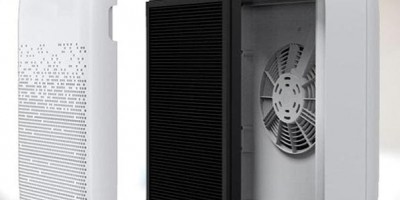
In smart home products, the addition of high-precision sensors like laser PM2.5, temperature, humidity, and gas sensors meets diverse user needs and enables home security automation. Amidst haze threats in China, many choose purifiers with built-in sensors for indoor air optimization, making dust sensors a major focus in recent years.
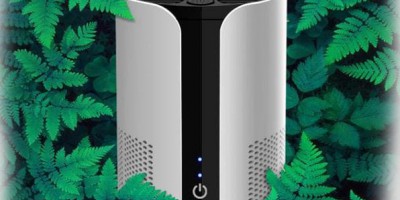
PM2.5 sensors have gradually become standard in purifiers due to widespread concern over environmental pollution—from haze and PM2.5/PM10 particles to indoor formaldehyde. While some pollution like construction dust or exhaust is visible, professional PM2.5 sensors are needed for precise detection.
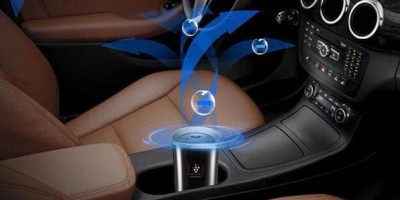
In-car air quality has become a focus for media and owners as health awareness grows. With increasing industrial scale and high PM2.5 values in cities, vehicle interiors are seriously polluted. On-board air purifiers can maximize purification, and laser PM2.5 sensor modules are now commonly used in these devices.

Infrared sensors are common devices that measure using the physical properties of infrared light (reflection, refraction, scattering, etc.). This technology is widely used in modern tech, defense, and agriculture, such as the infrared dust PM2.5 sensors found in smart home air purifiers and purifying air conditioners.
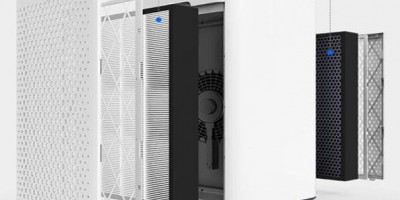
Smart home devices equipped with air quality sensors are increasingly entering daily life, marking a new smart era. This is a result of the maturity of the Internet and the rapid growth of IoT, mobile devices, Apps, and cloud tech. Sensors are crucial in the smart era; in the smart home field, people pursue high-quality comfort and better environments, making monitoring devices highly popular. The increasing e-commerce sales of air purifiers is a prime example.
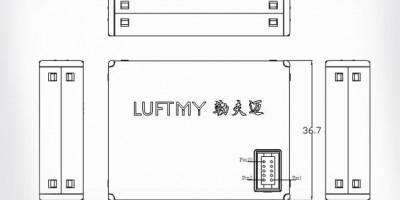
These sensors provide data for purifiers and PM2.5 detectors. We explain how laser particle counters work to meet national standards.

As the nation places more importance on environmental protection, policies and funding for detection industries have increased. The monitoring market is set to rise, directly benefiting environmental sensors. Luftmy research shows these sensors are mainly divided into three categories based on application field:
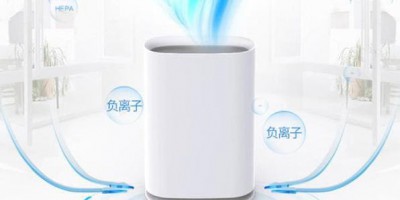
There are two mainstream sensors used in air purifiers today: Infrared PM2.5 and Laser PM2.5. Their working principles are similar, but their structures differ greatly. Luftmy notes that air quality sensors have become standard in purification devices for monitoring PM2.5 concentration. Design differences lead to accuracy gaps: infrared sensors use infrared LEDs, while laser sensors use more stable laser diodes.
