

Technical Support:
158-7527-1139


Maintaining fresh air systems is key to long-term health. We discuss the role of sensors in monitoring and controlling air quality to ensure efficient operation.

Indoor environments are vital to our health, but we often overlook the harm of dust particles. This article explores these harms and why dust sensors are crucial for improving air quality and protecting our health.

Washing machines are essential. However, water quality affects cleaning results. Dirty water breeds bacteria and affects health. Therefore, regular detection of water turbidity is necessary.

Indoor air quality is a key factor in our lives, especially in modern society where people spend most of their time working and living indoors. This article focuses on the importance of indoor air quality testing and the role of gas sensors in enhancing the indoor environment.
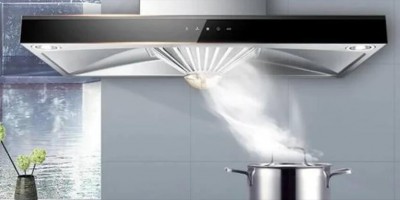
Range hoods are kitchen essentials. Now, sensor technology makes them smarter and more efficient, improving kitchen air quality while saving energy. We discuss how sensors enhance the user experience in the kitchen.

Smart cars are the future, trending toward autonomy and connectivity. Sensors are the "eyes and ears" of the vehicle, collecting environmental data for decision-making. As cars iterate, sensor performance and quantity directly impact safety and reliability.

Fresh air systems are increasingly popular for improving indoor environments. This article explores their functions and how sensors serve as the "brain" of the system, optimizing air quality and comfort.

In autumn, falling temperatures and lower humidity cause pollutants to condense into particles. PM2.5 and PM10 can enter the lungs, while harmful gases like formaldehyde persist. Indoor purification is essential during this season to protect respiratory health.
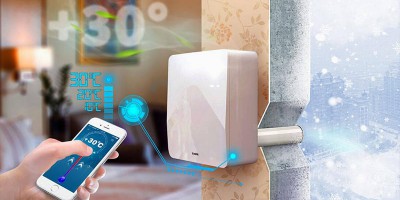
Employee health and comfort are prioritized in modern workplaces. Fresh air systems are becoming common in offices to maintain air quality. This article explores the necessity of these systems and the critical role sensors play in their operation.

While purifiers and fresh air systems both improve air quality, their synergy is optimized by sensors. We analyze the relationship between these two technologies and how sensors coordinate their operation.

Dust sensors use light scattering to detect airborne particles. They cannot detect solid dust on surfaces directly; particles must be suspended in the air to be measured. We explain the science behind this limitation.
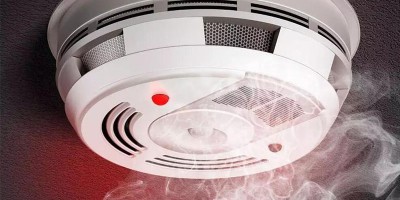
Both PM2.5 and smoke sensors are common in environmental monitoring, but they have distinct differences. This article explores their variations in application and function for better safety and health monitoring.
