

Technical Support:
158-7527-1139

Although indoor air quality is often overlooked in our daily lives, it is undeniably a vital component of a healthy lifestyle. Indoor CO2 sensors play a critical role in maintaining a good indoor environment. A common question often arises regarding these devices: what is the normal measurement range of an indoor CO2 sensor?
To help resolve this query, Guangzhou Luftmy will provide answers from multiple perspectives below:
First, what exactly is the measurement range of an indoor CO2 sensor?
The normal measurement range covered by an indoor CO2 sensor is typically between 400 and 2000 ppm (parts per million). This range is designed to ensure that indoor air quality remains within acceptable limits. Sensors use Non-Dispersive Infrared (NDIR) or chemical sensing technologies to accurately monitor CO2 levels in real-time. Understanding this range is vital because levels exceeding it can negatively impact health and comfort. By ensuring CO2 stays within a reasonable range, we can create a more livable and healthy environment.

Second, how do indoor CO2 levels affect people?
Changes in indoor carbon dioxide levels have a direct impact on occupants, including:
● Physical Discomfort: High concentrations of CO2 can cause headaches, fatigue, and loss of concentration. Prolonged exposure can worsen these symptoms, affecting work efficiency and quality of life.
● Increased Health Risks: Long-term exposure to high CO2 environments may increase the risk of certain health issues, including respiratory and cardiovascular diseases.
Therefore, monitoring and controlling CO2 levels is essential for health and well-being.
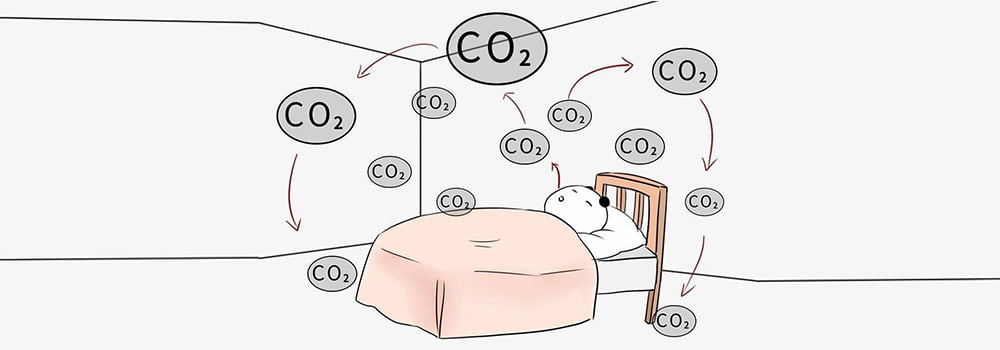
Third, why install a CO2 sensor indoors?
To maintain a high-quality indoor environment, installing a CO2 sensor is crucial for the following reasons:
● Real-time Concentration Monitoring: Sensors provide accurate data in real-time, helping to identify ventilation issues or areas with poor air quality.
● Improving Air Quality: Monitoring data prompts corrective actions, such as increasing ventilation or improving air circulation systems to ensure fresh air.
● Health and Comfort in Crowded Places: In high-density areas like offices, schools, and medical facilities, sensors help maintain air quality standards and enhance occupant comfort.
Understanding the normal range of indoor CO2 sensors is key to managing air quality effectively and creating a sustainable, healthy living and working space.
