

Technical Support:
158-7527-1139

Industrial sensors are devices used to measure, detect, and monitor various physical quantities in industrial environments. These physical quantities include temperature, pressure, humidity, flow rate, light, position, and more. The role of industrial sensors is to convert these physical quantities into electrical or digital signals, which are then transmitted to control systems or data acquisition systems for analysis, monitoring, and control of industrial processes.
Industrial sensors play a key role in industrial automation, production process control, equipment monitoring, and other engineering applications. They help enterprises improve production efficiency, reduce energy consumption, enhance product quality, and ensure the safety of the working environment.
However, when choosing suitable industrial sensors, price often becomes a barrier for companies and individuals. This article will take you deep into the mystery of industrial sensor pricing, revealing the core secrets behind it to help you navigate your purchases with ease.
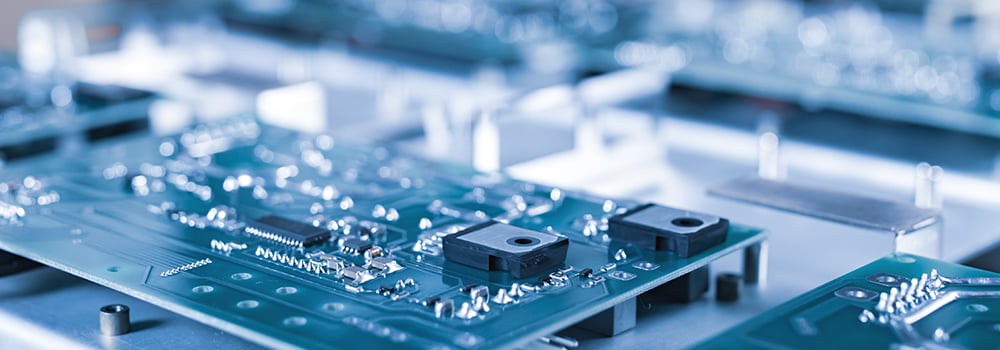
What factors affect the price of industrial sensors?
● Technical Level: The performance of industrial sensors is directly related to their technical level. High-precision and high-sensitivity sensors are usually more expensive, but their performance in complex environments is more reliable.
● Production Cost: The production cost of a sensor depends on factors such as manufacturing processes and material costs. The costs incurred by manufacturers during the design and production phases determine the final price of the product.
● Market Competition: The degree of market competition also affects sensor pricing. Intense competition may prompt manufacturers to improve performance and lower prices to better adapt to market demands.
● Environmental Factors: The specificity of industrial production environments requires consideration of the sensor's protection rating (IP rating). Different working environments require sensors with different protection levels to ensure long-term stable operation.

What factors should people pay attention to when purchasing industrial sensors?
● Define Requirements: Before purchasing, clarify the parameter types and ranges to be monitored, and choose the applicable sensor type.
● Performance Evaluation: Assess the accuracy and sensitivity of the sensor to ensure its performance meets actual production requirements.
● Consider the Environment: Take the specificity of the working environment into account and choose sensors with an appropriate protection rating.
● Manufacturer Reputation: Research the manufacturer's reputation and after-sales service to ensure product quality and technical support.
As the cornerstone of industrial intelligence, the choice of industrial sensors is vital to the intelligence and efficiency of the production process. By understanding their roles, influencing factors, and smart purchasing methods, we can better respond to various challenges in industrial production and drive industry toward a smarter, more efficient future.
