

Technical Support:
158-7527-1139

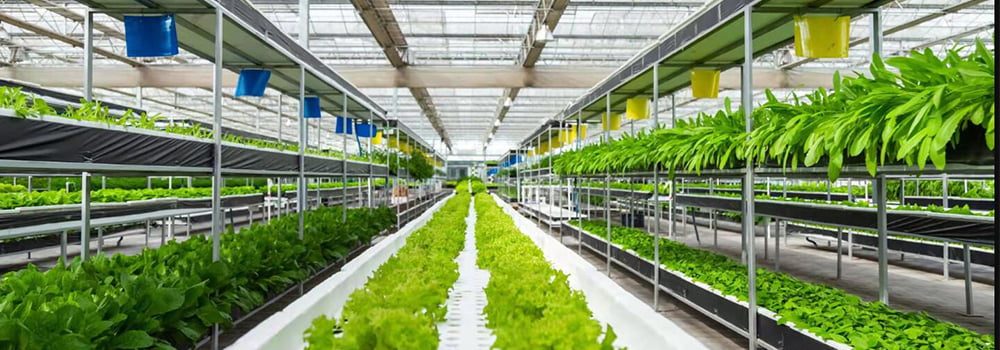
Smart agriculture utilizes technologies such as sensors, Internet of Things (IoT), and artificial intelligence to achieve automation and intelligence in agricultural production. Sensors are the foundation of smart agriculture and are a vital link in collecting agricultural production data. Therefore, the correct selection of sensors is crucial for the construction of smart agriculture.
When choosing sensors, several factors need to be considered:
● Measurement Object: There are many types of sensors, and they are suitable for different measurement objects. When choosing a sensor, you first need to determine what needs to be measured. For example, aquaculture requires measuring parameters like water temperature, water quality, and dissolved oxygen, while greenhouse cultivation requires measuring temperature, humidity, and light.
● Measurement Accuracy: The measurement accuracy of a sensor refers to how close the measurement result is to the actual value. The higher the accuracy, the more precise the sensor is. When choosing a sensor, the accuracy needs to be determined based on actual needs.
● Sampling Frequency: Sampling frequency refers to the number of times a sensor collects data per second. The higher the frequency, the more sensitive the sensor is to data changes. When choosing a sensor, the sampling frequency needs to be determined based on actual needs.
● Environmental Requirements: Sensors are affected by the environment during use. When choosing a sensor, environmental requirements must be determined according to the actual setting. For example, aquaculture environments are humid and highly corrosive, requiring the selection of waterproof and anti-corrosion sensors.
● Cost: The cost of a sensor is one of the important factors in selection. When choosing a sensor, it is necessary to comprehensively consider performance, functionality, and other factors to select a sensor with high cost-performance ratio.
Choosing smart agriculture sensors is a complex system engineering task that requires comprehensive consideration of multiple factors. By analyzing factors such as measurement object, accuracy, sampling frequency, environmental requirements, and cost, one can select the sensor that best suits their needs.
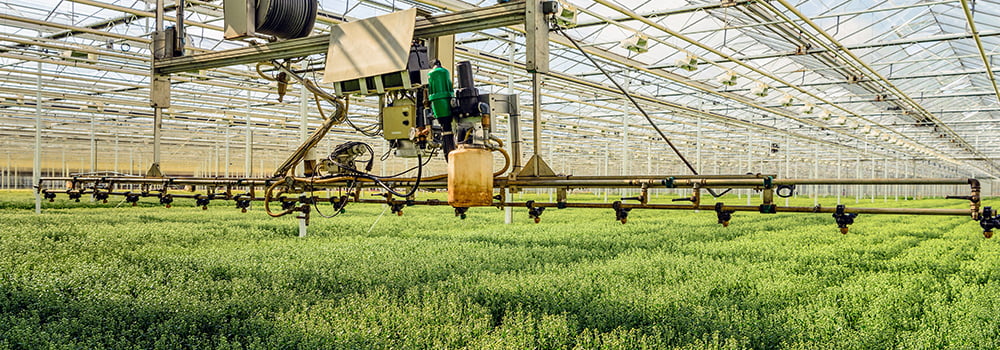
PS: Here are some commonly used smart agriculture sensors:
● Temperature and Humidity Sensor: One of the most widely used sensors in smart agriculture. It can measure ambient temperature and humidity to regulate the greenhouse environment and improve crop yields.
● Light Sensor: Measures light intensity and is used to adjust the light levels in greenhouses to promote crop growth.
● Soil Sensor: Measures parameters such as soil moisture, temperature, and pH value to guide farmers in scientific fertilization, irrigation, and land preparation.
● Water Quality Sensor: Measures parameters like dissolved oxygen, pH value, ammonia nitrogen, and nitrate in water to monitor aquaculture environments and ensure food safety.
● Meteorological Sensor: Measures atmospheric temperature, humidity, wind speed, wind direction, and precipitation to predict climate changes and provide a basis for agricultural production decision-making.
