Technical Support:
158-7527-1139

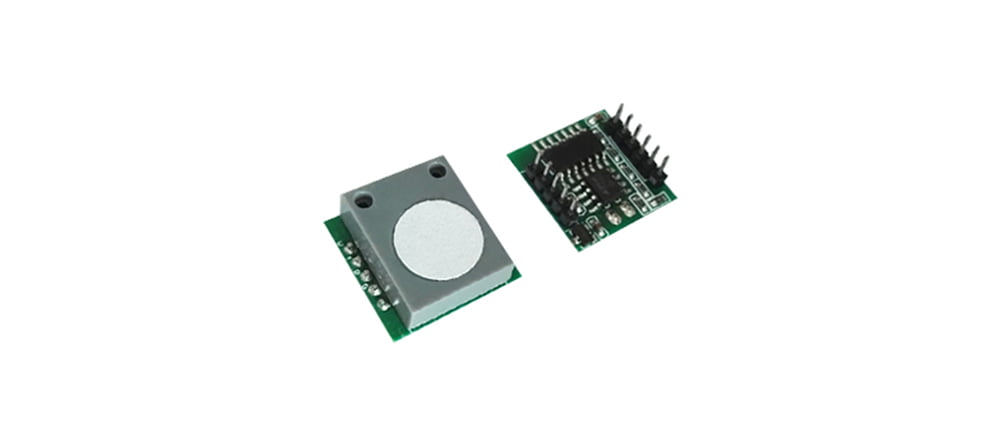
A carbon monoxide sensor, commonly referred to as a CO sensor, is an important device used to detect and measure the concentration of carbon monoxide (CO) in the environment. It has a wide range of applications in many fields, including industrial, domestic, and automotive sectors. This small but critical device helps us monitor CO levels to protect life and property safety.
Carbon monoxide (CO) is a colorless, tasteless, and odorless gas. Because it cannot be detected by human senses, it is often called the “silent killer.” CO is usually produced during combustion processes; for example, when fuel is burned by car engines, gas furnaces, fireplaces, or water heaters, CO is released. If these devices are not working properly or are poorly ventilated, CO concentration can rise, posing serious dangers including poisoning and death.
The working principle of a carbon monoxide sensor is based on its high sensitivity to carbon monoxide gas. It contains one or more sensing elements capable of undergoing a chemical reaction with CO molecules to produce electrical signals. These electrical signals are processed by the internal electronics of the sensor and converted into a numerical value for CO concentration. This value is typically expressed in parts per million (ppm), indicating the level of CO gas in the environment.
The application areas for carbon monoxide sensors are very extensive. In domestic environments, they are usually installed near gas furnaces, fireplaces, water heaters, and in vehicles to monitor for CO leaks. If the CO concentration exceeds safe levels, the sensor triggers an alarm to alert residents to take action, such as immediate ventilation or shutting off equipment, to avoid poisoning. In the industrial sector, CO sensors are used to monitor CO concentrations in factories and chemical processing plants to ensure worker safety. Meanwhile, they are also used to monitor vehicle exhaust emissions to ensure cars on the road meet emission standards.
Furthermore, carbon monoxide sensors play a vital role in the field of life safety. In many buildings and public places, CO sensors are used to monitor CO gas produced during fires and to prevent CO poisoning. These sensors can detect potential dangers early, prompting people to evacuate buildings as soon as possible, thereby reducing loss of life and property.
In summary, the carbon monoxide sensor is an essential safety device for detecting and measuring the concentration of CO gas in the environment. It has wide applications in home, industrial, and public safety fields, helping us protect lives and property from the threats of carbon monoxide poisoning and other potential hazards. Therefore, understanding and correctly using CO sensors is crucial for maintaining safety.