

Technical Support:
158-7527-1139


Temperature and humidity are vital factors in life and production. Extremes can affect health and comfort. Monitoring these is significant. Based on working principles, these sensors are categorized into several types.
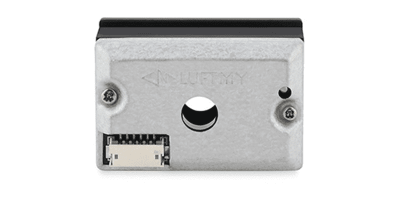
Infrared dust sensors detect dust in the air using infrared light scattering. When dusty air passes through, the particles scatter the beam, causing attenuation. By measuring this attenuation, the concentration of dust can be calculated.

As the demand for healthy and comfortable indoor environments increases, fresh air systems have become an indispensable part of modern buildings. As a vital component of fresh air systems, carbon dioxide sensors play a key role in optimizing indoor air quality. This article will discuss the application and role of CO2 sensors in fresh air systems, and how to improve indoor air quality, save energy, and achieve a healthy and comfortable living environment through their use.
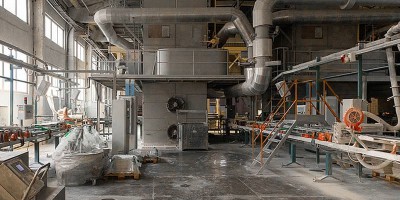
Dust is a common pollutant in industrial production that can harm workers' health and production equipment. Therefore, effective detection and control of dust in industrial indoor environments is an important measure to ensure worker health and production safety. A dust sensor is an instrument that detects the concentration of dust in the air by utilizing properties like absorption, scattering, or blocking of light, electricity, or heat by dust particles. Currently, common dust sensors on the market include laser scattering, electrostatic, and photoelectric types.
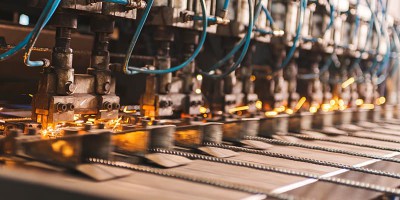
With the rapid development of industrial production, dust pollution has become an increasingly serious problem. Dust at industrial sites not only pollutes the environment but also poses a potential threat to worker health. To improve workplace quality and protect worker safety, infrared dust sensors are widely used to monitor dust concentration in real-time, providing early warnings and preventive measures. This article explores the application of these sensors and their importance in improving the workplace.

Safety monitoring in mines has always been a top priority in the mining industry. To ensure worker safety and production efficiency, mines must constantly monitor various hazards such as carbon monoxide, methane, temperature, and humidity. While CO sensors are a key component, many other types of sensors play vital roles in mine safety monitoring.

Dust sensors play a crucial role in industrial and environmental monitoring, especially in controlling air quality, safety, and production efficiency. Infrared dust sensors are a common technology for monitoring dust concentration. This article will discuss the price and maintenance costs of infrared dust sensors to help understand their economic feasibility.

The office environment significantly impacts work efficiency, health, and comfort. A major factor is indoor air quality. Fresh air systems are a technology that can improve air quality, but whether it is necessary to install one in an office requires careful consideration. This article will explore the necessity of installing fresh air systems in offices, as well as the benefits and cost considerations.

Carbon dioxide sensors are instruments for detecting CO2 concentration in the air, widely used in environmental monitoring, industrial production, healthcare, and other fields. With the continuous development of CO2 sensor technology, prices are showing a downward trend. Technically, CO2 sensors mainly include infrared, electrochemical, and photoelectrochemical types. Among them, infrared sensors have advantages like low cost and fast response. As infrared technology matures, costs will decrease further.

In recent years, frequent mine accidents have made worker safety the top priority of the mining industry. In mine environments, carbon monoxide is a colorless, odorless, non-irritating but highly toxic gas that threatens health. To ensure safety, CO sensors are widely used to monitor concentrations in real-time, providing timely warnings and protection. This article discusses the application of CO sensors and their importance to miners' health and safety.
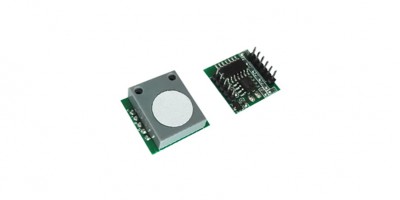
Carbon monoxide sensors, often called CO sensors, are vital devices for detecting and measuring CO concentration in the environment. They have wide applications across industrial, household, and automotive sectors. This compact but critical device helps us monitor CO levels to protect lives and property.

With rapid urbanization, air quality has become a major concern. Industrial emissions, traffic exhaust, and pollution cause fine particulate matter to accumulate, threatening health. Consequently, more people are installing air purifiers. Infrared dust sensors play a vital role in these devices, helping us monitor and improve indoor air in real-time.
