

Technical Support:
158-7527-1139

Safety monitoring of the mine environment has always been one of the important tasks in the mining industry. To ensure the safety of workers and the effectiveness of production, mines must constantly monitor various potential hazards, such as carbon monoxide, methane, temperature, humidity, etc. Although the carbon monoxide sensor is one of the key sensors, there are many other types of sensors that play an important role in mine safety monitoring.
1. Methane Sensor
Methane is a common flammable gas in mines and is one of the main causes of explosions. Therefore, the methane sensor is one of the indispensable sensors in mine safety monitoring. These sensors can detect the concentration of methane gas and issue an alarm when the concentration reaches dangerous levels to prevent explosions from occurring.
2. Hydrogen Sulfide Sensor
Hydrogen sulfide is another common hazardous gas, especially in underground mines. Hydrogen sulfide sensors can monitor the concentration of hydrogen sulfide gas and issue timely alarms to avoid dangers to workers caused by toxic gas leaks.
3. Temperature and Humidity Sensors
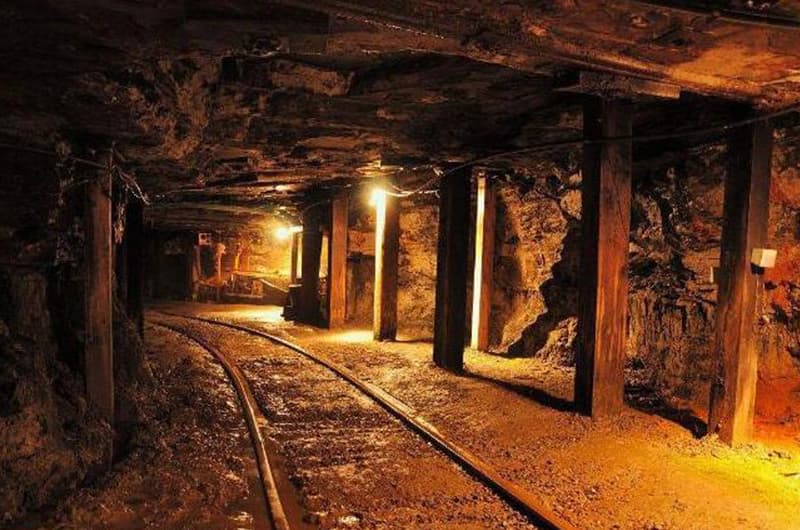
Temperature and humidity are important parameters in the mine environment that need continuous monitoring. Temperatures that are too high or too low may affect the health and safety of workers, while changes in humidity levels may affect the performance of underground equipment. Therefore, temperature and humidity sensors are usually installed at key locations in the mine to ensure that environmental conditions remain within safe limits.
4. Wind Speed and Direction Sensors
Airflow in mines is critical for removing harmful gases and ensuring oxygen supply for workers. Wind speed and direction sensors help monitor the direction and speed of airflow. This data can be used to determine the path of gas diffusion and ensure that harmful gases do not accumulate in a specific area.
5. Noise Sensor
Underground mines are usually noisy, which not only affects the health of workers but may also mask other alarm sounds. Noise sensors can monitor noise levels in the mine and issue an alarm when safe limits are exceeded. This helps reduce the risk of occupational hearing loss.
6. Vibration Sensor
Events such as underground blasting, mechanical operations, and mine collapses may cause vibrations, which could lead to damage to underground structures or threaten worker safety. Vibration sensors can monitor vibration events and issue timely alarms to reduce damage and risk.
7. Pressure Sensor
Changes in gas pressure in underground mines can be a sign of danger, especially when gas diffusion speeds change. Pressure sensors can monitor gas pressure and help engineers understand potential problems in the underground environment.
8. Dust Sensor
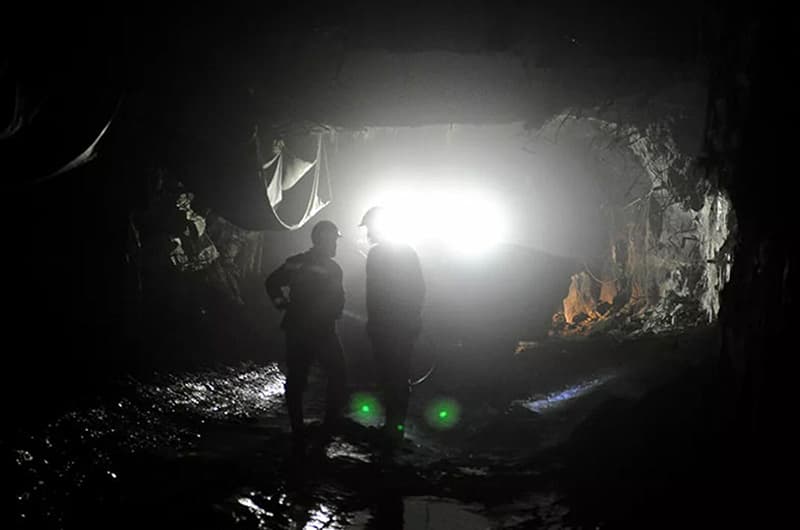
Coal mines and other types of mines often produce large amounts of dust, which poses a serious threat to worker health. Dust sensors can monitor the concentration of dust in the air and issue an alarm when it exceeds safe levels to reduce the risk of respiratory diseases.
9. Oxygen Sensor
Oxygen is a key factor in sustaining the lives of workers. Oxygen sensors can monitor oxygen concentrations in the mine and issue an alarm when oxygen is insufficient to ensure workers have an adequate oxygen supply.
10. Video Surveillance and Image Analysis Systems
In addition to sensors, video surveillance and image analysis systems are playing an increasingly important role in mine safety monitoring. These systems can be used to monitor worker activities, detect abnormal situations (such as fires, collapses, etc.), and provide real-time visual information to help engineers and regulatory agencies make decisions.
In summary, safety monitoring of the mine environment is a complex and important task involving the integrated application of various sensor technologies. In addition to carbon monoxide sensors, methane sensors, hydrogen sulfide sensors, temperature and humidity sensors, wind speed and direction sensors, noise sensors, vibration sensors, pressure sensors, dust sensors, oxygen sensors, as well as video surveillance and image analysis systems, all play a key role in mine safety monitoring. The combined use of these sensors and systems helps protect the lives and health of workers.
