Technical Support:
158-7527-1139

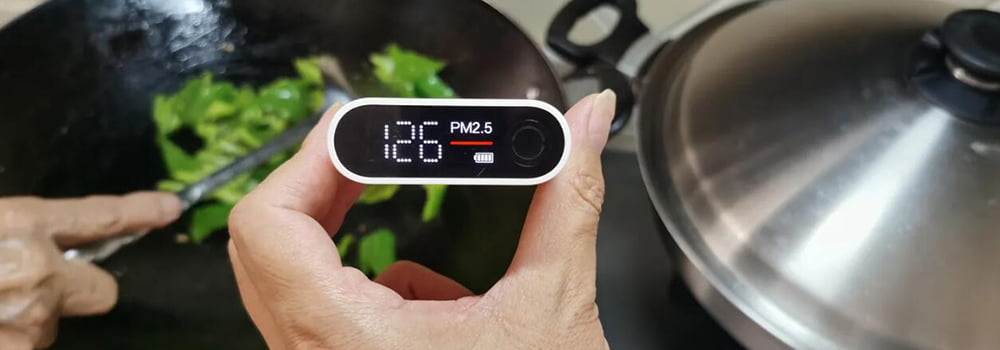
In daily family life, the issue of air quality in the kitchen is gradually receiving more attention, especially for families that have installed PM2.5 sensors. The kitchen, as the center of cooking activities, inevitably becomes one of the main sources of indoor PM2.5 particles. However, many people may not know that these PM2.5 particles from the kitchen can actually be more harmful than second-hand smoke, which the public has long been aware of.
PM2.5, which refers to particulate matter with a diameter of 2.5 micrometers or less, can penetrate deep into the human respiratory system and even reach the deep tissues of the lungs due to its extremely small size. The harmful substances carried by these particles will not only damage lung tissue but may also affect other organs of the human body through blood circulation. Long-term exposure to high concentrations of PM2.5 will increase the risk of health problems such as respiratory diseases and cardiovascular diseases.
In the kitchen environment, PM2.5 mainly originates from the cooking process, especially cooking methods involving high-temperature deep-frying and stir-frying. When food is cooked at high temperatures, it not only produces oil fumes but also releases various harmful gases and particulate matter. These particles may contain harmful chemicals such as carbon monoxide, nitrogen oxides, and volatile organic compounds. In contrast, although second-hand smoke also contains many harmful components, its distribution in the indoor environment is usually relatively uniform, and people have a higher awareness and alertness regarding its dangers.
For family members who cook in the kitchen frequently, the health risks they face are particularly worth noting. Studies show that cooking in an environment with high PM2.5 concentrations for a long time can have health impacts exceeding those of regular exposure to second-hand smoke. This is not only because high concentrations of PM2.5 directly cause damage to the respiratory system, but also because these particles can carry more harmful chemicals.
Given the potential health risks of kitchen PM2.5, taking effective measures to reduce and control its generation and accumulation is essential. Families can improve kitchen air quality through the following measures:
● Improve ventilation efficiency: Using an effective exhaust system, such as a high-efficiency range hood, can reduce the PM2.5 concentration in the kitchen.
● Change cooking habits: Avoid high-temperature deep-frying and stir-frying, and switch to cooking methods such as steaming or baking to reduce the production of oil fumes and PM2.5.
● Clean the kitchen regularly: Keep the kitchen clean and regularly clean the range hood filters and cooking equipment to reduce the accumulation of grease and particulate matter.
● Use air purifiers: Installing an air purifier with a HEPA filter in the kitchen helps reduce PM2.5 in the air.
In summary, the PM2.5 problem in the kitchen should not be ignored, as its potential health impact may even exceed that of second-hand smoke. Therefore, understanding its sources and taking effective control measures is crucial to protecting the health of family members. By improving kitchen air quality, we can create a safer and healthier living environment for our families.