

Technical Support:
158-7527-1139

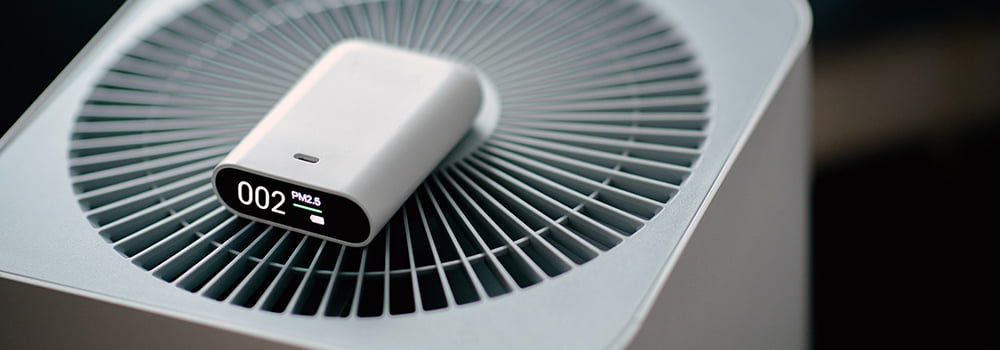
Globally, air pollution has become an increasingly serious problem, particularly with PM2.5—tiny particulate matter with a diameter of 2.5 micrometers or less—receiving growing attention. Due to their microscopic size, these fine particles can penetrate deep into the human lungs and even enter the bloodstream, posing a serious threat to health. In indoor environments, excessive PM2.5 levels are especially concerning because they not only degrade Indoor Air Quality but may also cause long-term harm to residents' health.
The main phenomena of excessive Indoor PM2.5 levels include:
1. Visible dust or particles in the air: At high PM2.5 concentrations, the air may appear hazy, and floating particles may even be visible.
2. Respiratory irritation: Residents may experience symptoms such as sore throat, coughing, and sneezing.
3. Eye discomfort: Symptoms like stinging eyes and tearing, especially during prolonged exposure to environments with high PM2.5 concentrations.
Living in an environment where PM2.5 exceeds standards can cause serious health problems. Short-term common symptoms include respiratory irritation, sore throat, coughing, sneezing, stinging eyes, and tearing. Long-term exposure to high PM2.5 concentrations may cause or exacerbate serious health issues such as asthma, cardiovascular disease, and lung disease.
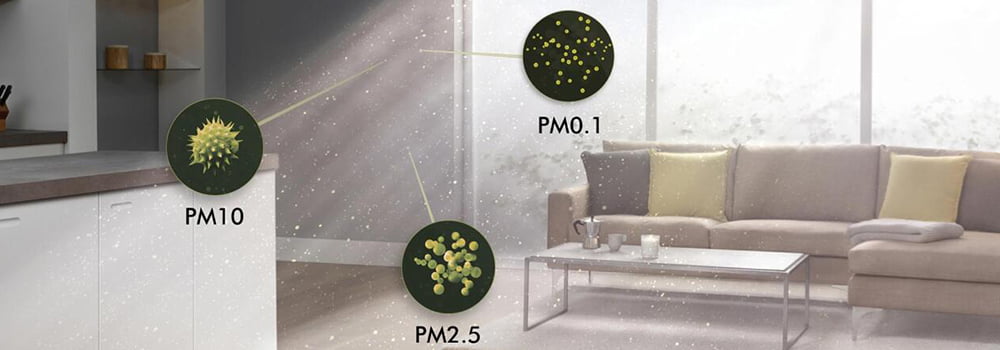
Furthermore, the reasons for excessive Indoor PM2.5 levels are varied, mainly including:
1. Infiltration of outdoor air pollution: Especially on days with poor air quality, outdoor PM2.5 easily penetrates indoors.
2. Generation from indoor activities: For example, cooking fumes, smoking, and the use of certain heating devices.
3. Release from renovation materials: Some building and decoration materials may release PM2.5 during use.
To address the problem of excessive indoor PM2.5, we can reduce Indoor PM2.5 concentrations through the following means:
1. Maintain good ventilation: Regularly open windows to improve indoor air circulation.
2. Use air purifiers: Especially those equipped with High-Efficiency Particulate Air (HEPA) filters to effectively filter PM2.5.
3. Reduce indoor pollution sources: Minimize cooking fumes, prohibit indoor smoking, and choose decoration materials with low volatile organic compounds.
4. Regular cleaning: Periodically remove dust and particles to reduce the accumulation of Indoor PM2.5.
In conclusion, the issue of excessive Indoor PM2.5 levels cannot be ignored. It affects the comfort of our living environment and poses a threat to health. By understanding the sources of PM2.5, identifying the signs of excessive levels, and taking appropriate preventive and improvement measures, we can effectively protect ourselves and our families and reduce the health risks brought by air pollution.
