

Technical Support:
158-7527-1139

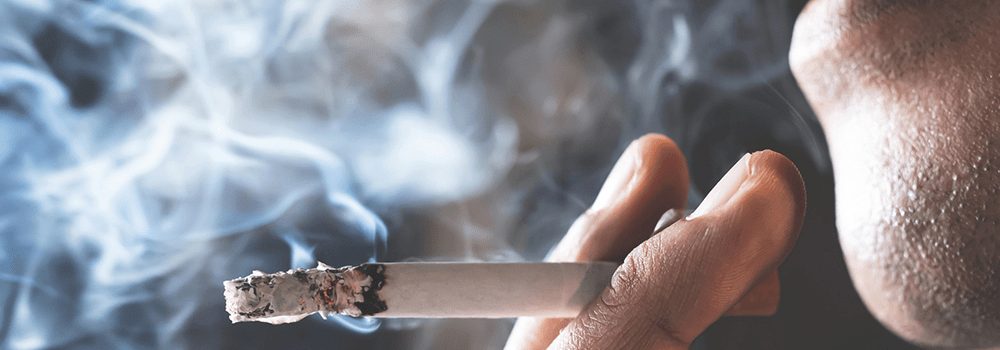
In today's home environment, air quality issues are receiving increasing attention, especially regarding the impacts of PM2.5 and smoking. PM2.5 refers to particulate matter with a diameter of 2.5 micrometers or less, while smoking refers to a series of chemicals released during tobacco combustion. Both are considered major pollution sources for Indoor Air Quality, but are there differences in their hazards? Why is that?
First, due to its extremely small size, PM2.5 can easily enter the human respiratory system, penetrate deep into the lungs, and even enter the blood circulation through the alveoli. They carry various harmful substances, such as heavy metals, organic compounds, and microorganisms, posing a serious threat to human health. Long-term exposure to high concentrations of PM2.5 may lead to respiratory diseases, cardiovascular diseases, immune system dysfunction, and even cancer.
In comparison, smoking is a more direct health threat. Tobacco smoke contains a variety of harmful chemicals, including tar, carbon monoxide, and nicotine. These substances not only harm active smokers but also have serious impacts on other family members through secondhand smoke. Smoking is directly linked to multiple diseases, including lung cancer, heart disease, chronic obstructive pulmonary disease (COPD), and respiratory diseases in children.
In an indoor environment, the hazards of PM2.5 and smoking have different focuses. The harm caused by smoking is more direct and immediate, while PM2.5 is a more insidious health risk. Since PM2.5 comes from diverse sources, including outdoor air pollution, home cooking, heating systems, and the use of certain chemical products, their concentrations in indoor environments can reach health-threatening levels unknowingly.
In this case, using an Air Quality Sensor has become a key tool for monitoring Indoor Air Quality. These sensors can monitor PM2.5 concentrations in real-time, providing live data on air quality. With this data, family members can better understand their living environment and take corresponding measures to improve air quality, such as using air purifiers, increasing indoor ventilation, or reducing the use of products that may generate PM2.5.
Overall, both PM2.5 and smoking are significant threat factors to Indoor Air Quality, and their impacts on human health should not be ignored. Through the reasonable use of Air Quality Sensors and taking appropriate preventive measures, the negative impacts of these factors on the home environment can be effectively mitigated, ensuring the health of family members.
