

Technical Support:
158-7527-1139

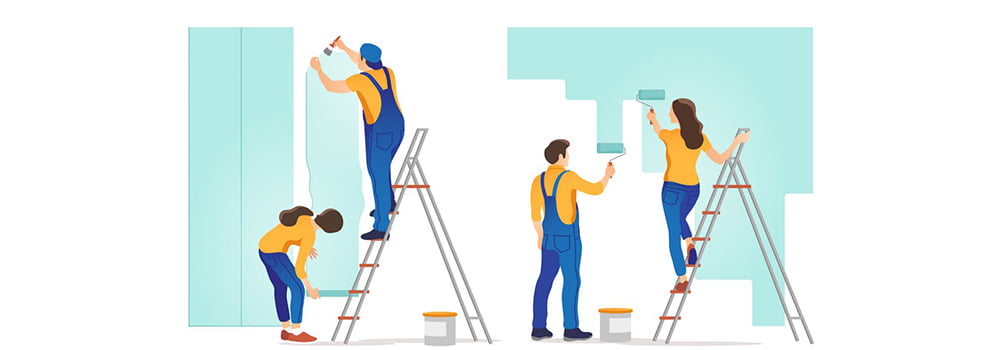
In today's residential environment, the air quality issue of newly renovated houses is receiving increasing attention. Many families install dust sensors after the renovation is completed, only to find that the indoor dust concentration is abnormally high. This phenomenon has drawn attention to the sources of dust in newly renovated houses and the associated health risks. This article will explore why dust levels are high in newly renovated houses and the possible impact on the health of residents.
The reasons for high dust levels in newly renovated houses are diverse, mainly including:
● Construction and renovation materials: Various materials used during the renovation process, such as paint, adhesives, wood, and gypsum board, may release tiny particulate matter. These particles are suspended in the air, forming indoor dust.
● Furniture and decorations: Newly purchased furniture and decorations may release formaldehyde, benzene, and other volatile organic compounds (VOCs). The volatilization process of these compounds also generates tiny particles.
● Construction residue: Construction waste and dust generated during the renovation process, if not thoroughly cleaned, can also lead to increased indoor dust levels.
These dust particles not only affect indoor air quality but may also impact the health of residents. Fine dust particles (such as PM2.5) can penetrate deep into the lungs, and long-term exposure may lead to respiratory issues, allergic reactions, and even more serious health problems. These risks are particularly prominent for people with respiratory sensitivities, such as children, the elderly, and asthma patients.
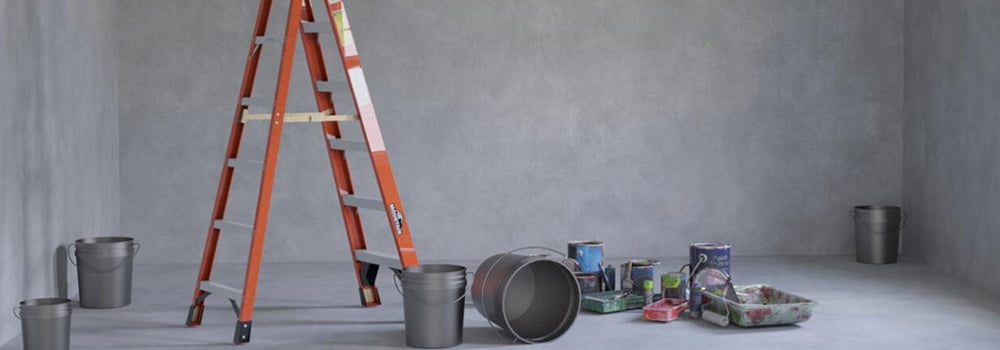
Given the potential health risks of high dust levels in newly renovated houses, taking appropriate preventive measures is crucial. Effective measures include:
● Sufficient ventilation: After renovation, ensure the house is adequately ventilated to reduce the concentration of indoor pollutants.
● Regular cleaning: Frequent cleaning, especially of floors, walls, and furniture surfaces, can effectively reduce indoor dust.
● Use air purifiers: High-efficiency air purifiers can reduce the concentration of particulate matter indoors and improve air quality.
● Choose low-pollution materials: During renovation, choosing materials and coatings with low formaldehyde and low VOCs can reduce indoor air pollution.
In summary, high dust levels in newly renovated houses is an issue that cannot be ignored. Understanding its sources and potential health risks, as well as taking effective prevention and mitigation measures, is essential to protect the health of residents. Through these measures, the indoor air quality of newly renovated houses can be significantly improved, providing a safer and more comfortable living environment for residents.
