Technical Support:
158-7527-1139

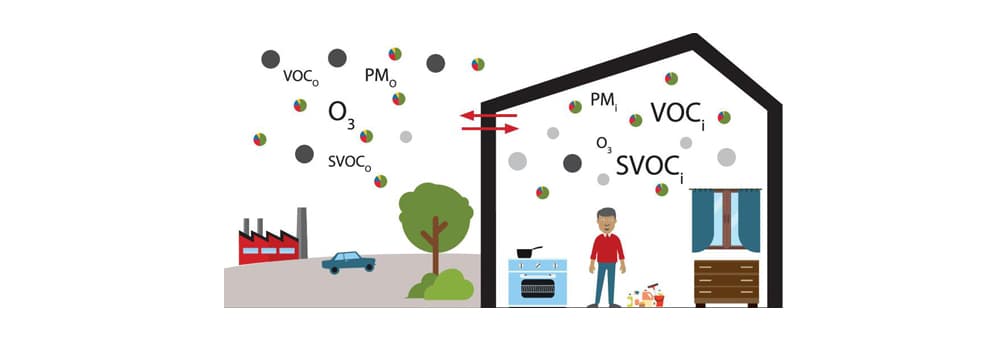
Against the backdrop of increasing environmental health awareness, understanding and controlling the concentration of PM2.5 in indoor air has become an important issue. PM2.5, referring to particulate matter with a diameter of 2.5 micrometers or less, has direct and long-term effects on human health. To effectively manage indoor PM2.5 levels, it is first necessary to have a clear understanding of the main factors influencing its concentration.
● Outdoor Air Quality: A major source of indoor PM2.5 is outdoor air. Especially in urban and industrial areas, high PM2.5 levels in outdoor air can enter indoors through open windows, door gaps, and ventilation systems.
● Indoor Activities: Many activities in daily life, such as cooking (especially frying and high-temperature cooking), using certain cleaning products, smoking, and using equipment with printers and copiers, can generate PM2.5.
● Ventilation Conditions: Indoor ventilation conditions have a significant impact on PM2.5 Concentration. Good ventilation helps reduce indoor PM2.5 Concentration, while poor ventilation may lead to the accumulation of PM2.5 indoors.
● Home Decoration and Furniture: Chemical substances in newly renovated houses or new furniture (such as formaldehyde and other volatile organic compounds) may be converted into PM2.5, increasing the concentration of indoor particulate matter.
● HVAC Systems and Filtration: The efficiency of heating, ventilation, and air conditioning systems has a direct impact on indoor PM2.5 levels. In particular, the performance of the filtration system is crucial for controlling the concentration of fine particulate matter indoors.
After understanding these factors, we can take measures to reduce indoor PM2.5 Concentration, such as improving ventilation or using Air Purification devices. Additionally, utilizing PM2.5 sensors to monitor Indoor Air Quality can help us more accurately understand the real-time levels of indoor PM2.5 and take appropriate measures accordingly.
In summary, by gaining a deep understanding of the various factors affecting indoor PM2.5 Concentration and combining modern monitoring tools such as PM2.5 sensors, we can more effectively manage Indoor Air Quality and create a healthier and more comfortable living environment.