

Technical Support:
158-7527-1139


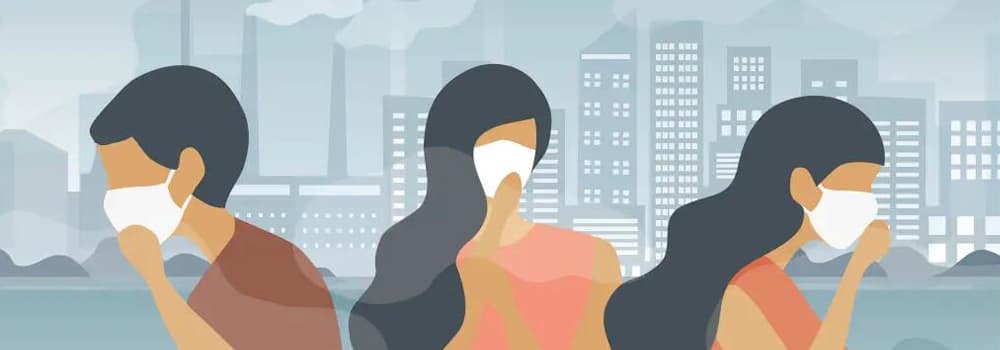
PM2.5, also known as fine particulate matter, is an extremely critical component of Air Pollution. These tiny particles have a diameter of less than or equal to 2.5 microns. Due to their extremely small size, they can penetrate deep into the lungs and even enter the bloodstream, posing a serious threat to human health. In modern society, with the acceleration of industrialization and urbanization, PM2.5 pollution has become a global environmental issue. Especially in indoor environments, the hazards of PM2.5 cannot be ignored. This article will explore the specific hazards of PM2.5 and discuss how to effectively reduce its impact indoors.
I. Hazards of PM2.5
Due to their tiny size, PM2.5 particles can easily bypass the body's defenses in the nasal hair and throat, entering the lungs directly or even reaching the blood through the alveoli. The harmful substances carried by these particles (such as heavy metals, polycyclic aromatic hydrocarbons, etc.) affect human health in various ways:
● Respiratory diseases: Long-term exposure to high concentrations of PM2.5 increases the risk of respiratory infections, asthma, and other diseases.
● Cardiovascular diseases: PM2.5 can cause vascular inflammation, increasing the risk of heart disease, stroke, and other cardiovascular issues.
● Impact on children's health: Children are in the stage of growth and development and are more sensitive to PM2.5, which may affect their lung development.
● Impact on the health of the elderly: Due to the decline in physical functions, the elderly have weaker resistance to PM2.5 and are more susceptible to its effects.
II. How we should reduce PM2.5 content indoors
In indoor environments, effectively controlling and reducing PM2.5 concentration is key to protecting the health of residents. Here are some effective strategies:
● Use PM2.5 sensors to monitor air quality in real-time: PM2.5 Sensors can monitor the PM2.5 concentration in indoor air in real-time, helping us understand the current air quality status.
● Install air purifiers: High-efficiency Air Purifiers can effectively filter PM2.5 particles from indoor air.
● Maintain indoor ventilation: Regularly opening windows for ventilation to promote the exchange of indoor and outdoor air can reduce indoor PM2.5 concentration.
● Reduce indoor smoke and dust: Avoid indoor smoking and reduce the use of items and activities that may generate dust.
● Indoor plants: Certain indoor plants can absorb harmful substances in the air and improve Indoor Air Quality.
In summary, understanding the hazards of PM2.5 and how to effectively reduce its impact indoors is crucial for everyone. By using PM2.5 Sensors to monitor air quality and taking appropriate Air Purification measures, we can significantly improve Indoor Air Quality, thereby protecting the health of ourselves and our families. In the current situation where Air Pollution is becoming increasingly serious, these measures are particularly important and are a health investment that every family should consider.
