

Technical Support:
158-7527-1139

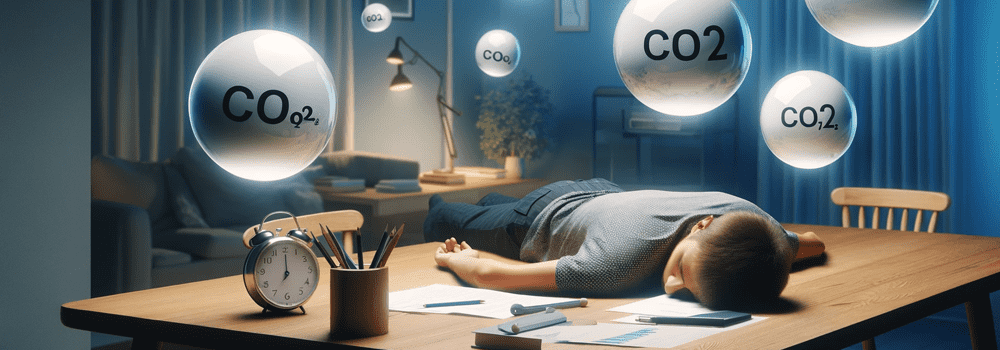
In today's society, with the improvement of people's quality of life, Indoor Air Quality is receiving increasing attention. In particular, carbon dioxide (CO2) concentration, as an important indicator of Indoor Air Quality, has become a topic worth exploring regarding its impact on human health.
Therefore, today Guangzhou Luftmy will share some knowledge in this area with everyone.
First, we need to understand a concept: appropriate amounts of carbon dioxide are necessary for human health. However, if the carbon dioxide content is too high, it will trigger a series of health problems, such as making people feel tired and lose concentration. In severe cases, symptoms like headaches, lethargy, increased heart rate, or decreased cognitive function may occur. Long-term exposure to high-concentration carbon dioxide environments may even increase the risk of cardiovascular diseases.
Consequently, according to the standards of the "Code for Indoor Environmental Pollution Control of Civil Building Engineering" in China, the indoor CO2 Concentration should be maintained below 1000PPM. This standard is considered a relatively comfortable and safe concentration level for most people. If the indoor CO2 Concentration exceeds this standard, it may begin to affect the health of occupants. Especially when the concentration reaches 2000PPM and above, the negative impact on human health becomes even more significant.
In response, more and more people are using tools such as CO2 sensors to monitor indoor CO2 Concentration. Once an elevated carbon dioxide level is detected, a warning will be issued to occupants, or direct measures will be taken. For example, when an increase in indoor CO2 Concentration is detected, air quality can be improved by increasing ventilation or using air purification equipment.
In addition to using CO2 Sensors for monitoring, we can also take the following measures:
● Improve Ventilation Efficiency: Regularly open windows for ventilation, especially in indoor environments where many people gather.
● Increase Indoor Plants: Certain plants can absorb carbon dioxide and release oxygen, helping to improve Indoor Air Quality.
● Control Indoor Personnel Density: Reduce the gathering of people indoors, especially in small or enclosed spaces.
In summary, the control of indoor CO2 Concentration is vital for maintaining good air quality and ensuring human health. By understanding China's Indoor Air Quality standards and taking appropriate measures such as using CO2 Sensors and improving ventilation, we can effectively reduce the potential health threats of indoor CO2 Concentration and create a more comfortable and healthy living environment.
