Technical Support:
158-7527-1139

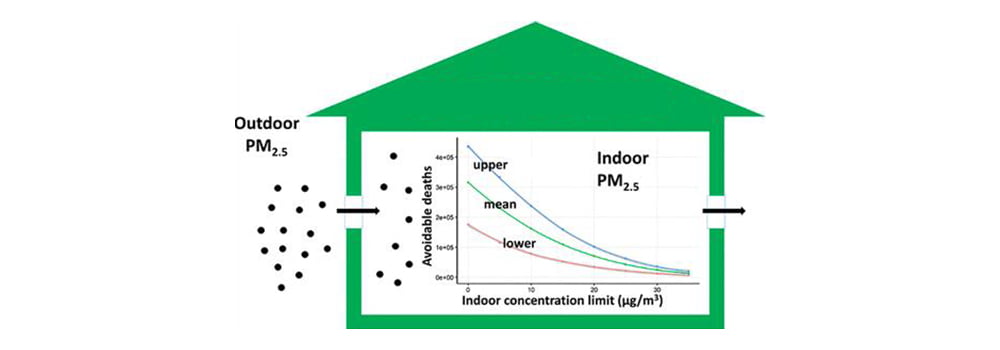
Air quality has become an important health issue in modern life, and in this invisible battle, PM2.5 is undoubtedly a key indicator. Especially in closed indoor environments, understanding the normal standards of PM2.5 and its monitoring principles becomes particularly important. This article will explore the health thresholds of Indoor PM2.5 and parse the working principles of PM2.5 Sensors.
First, what is an appropriate normal standard for Indoor PM2.5? According to air quality guidelines released by the World Health Organization (WHO), the 24-hour average level of PM2.5 concentration in indoor air should be less than 25 μg/m³. However, many countries and regions set local standards based on their specific conditions; since indoor pollution sources are complex and varied, this standard may be adjusted in practice. Generally, staying below this threshold is considered an air quality level that will not cause significant health effects for the general population.
So, how does an indoor PM2.5 Sensor work? PM2.5 Sensors mainly use the light scattering method for detection. Their working steps are briefly described below:
1. Air Sampling: The sensor typically contains a fan to draw in an air sample.
2. Light Irradiation: The inhaled air passes through a light source, usually a laser or LED.
3. Light Scattering: Suspended particulate matter in the air scatters the light as it passes through. These particles include dust, smoke, pollen, etc., and their size, shape, and complex refractive index affect the characteristics of the scattered light.
4. Signal Detection: A fixed-position photodetector receives this scattered light. Since PM2.5 particles are very fine, they scatter light in specific patterns that can be identified by the detector.
5. Data Analysis: Circuits or microprocessors within the sensor convert the received signals into electrical signals, which are then processed by algorithms to output a concentration reading of the particulate matter.
6. Result Display: The PM2.5 concentration is displayed via a digital screen or a network connection.
It is worth noting that under this principle, the performance of a PM2.5 Sensor may be affected by external environmental factors, such as temperature, humidity, and air flow rate, all of which can impact the accuracy of measurement results. Therefore, real-time calibration and regular maintenance are critical.
A high-quality indoor PM2.5 Sensor can help monitor air quality, timely discover excessive pollution levels, and allow for appropriate measures such as starting an air purifier or improving indoor ventilation. For individuals with special health conditions such as asthma patients, the elderly, and children, this monitoring is especially important to help reduce health risks triggered by air pollution.
In today's health-conscious era, understanding the principles of indoor PM2.5 Sensors and their impact on health, as well as mastering their detection standards, is indispensable knowledge for ensuring indoor air quality. As technology progresses, the role of these sensors in our lives will become increasingly significant as vital tools for building healthy indoor environments.