

Technical Support:
158-7527-1139

Automotive air quality detection sensors are essential components in vehicles, used for real-time monitoring of internal and external air quality and providing data support for the vehicle's air purification system.
Currently, there are two main types of automotive air quality detection sensors: single sensors and all-in-one sensors.
So, should we choose an all-in-one sensor or a single one?

First, let's understand what they are respectively.
All-in-one sensor: Refers to the integration of multiple sensing units into a single sensor, capable of simultaneously detecting various physical or chemical quantities.
Advantages:
● Small size, light weight, and low cost
● Easy installation and simple maintenance
● High data collection efficiency
● Strong anti-interference ability
Disadvantages:
● Accuracy is not as high as a single sensor
● Sensitivity is lower than a single sensor
● Response speed is not as fast as a single sensor
The application range of all-in-one sensors is very broad, covering industry, agriculture, medicine, and environmental monitoring. In the industrial field, they can monitor air quality, water quality, and soil; in agriculture, they detect soil fertility and crop growth; in medicine, they track body temperature, blood pressure, and blood glucose; in environmental monitoring, they detect air, water, and soil pollution.

Single sensor: Refers to a sensor that can only detect one type of physical or chemical quantity.
Advantages:
● High precision, high sensitivity, and fast response speed
● Can be optimized for specific applications
Disadvantages:
● Larger size, heavier weight, and higher cost
● Complex installation and difficult maintenance
● Low data collection efficiency
● Weak anti-interference ability
The application of single sensors is also widespread. In industry, they monitor temperature and pressure of precision instruments; in agriculture, soil moisture and pH; in medicine, ECG and EEG signals; in environmental monitoring, specific pollutants like PM2.5 or CO2.
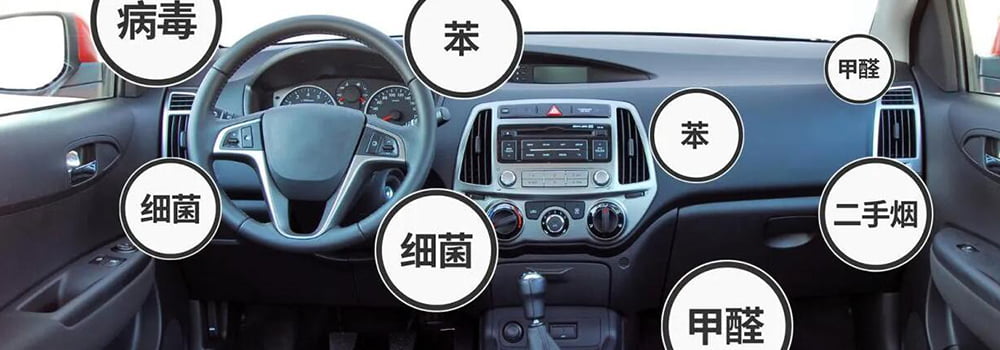
Next, how should you make a choice?
1. Needs and Priorities: Determine priorities based on your focus. If comprehensive monitoring of multiple environmental indicators is needed, an all-in-one sensor may be more suitable. If you only care about specific factors, a single sensor might be better.
2. Accuracy and Reliability: Single sensors usually offer higher precision on specific indicators. If data accuracy is paramount, sensors focused on a single metric are preferred.
3. Cost and Space: All-in-one sensors generally save cost and space, though the integration of multiple functions might make them less specialized for certain indicators.
When choosing an automotive air quality detection sensor, decide between an all-in-one or single sensor based on personal needs, accuracy requirements, and cost considerations. Focus on your key requirements to ensure the sensor effectively meets your expectations for vehicle air quality monitoring.
