

Technical Support:
158-7527-1139

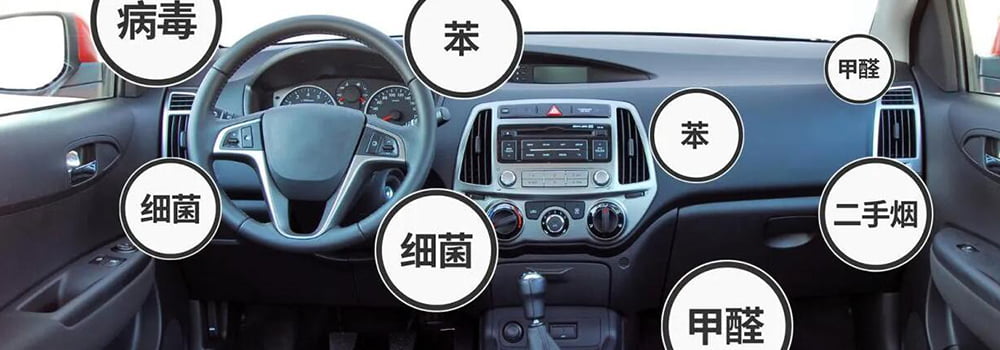
Cars have become an indispensable part of our daily lives, and concern for in-vehicle air quality is steadily increasing. Especially in urban traffic and long-distance driving, cabin air quality directly impacts passenger health and comfort. The PM2.5 dust sensor, as an advanced technology, is widely integrated into automotive air circulation systems to ensure that air quality meets safety standards and provides a healthier driving environment.
A PM2.5 dust sensor is a device capable of detecting and measuring the concentration of fine particulate matter (less than 2.5 microns in diameter) in the air. Its working principle is based on light scattering, light absorption, or electrical principles. Through the internal detection unit, the sensor monitors particulate concentration in the cabin in real-time. This data is transmitted to the vehicle's ECU (Engine Control Unit) or climate control system, which then performs feedback adjustments based on preset thresholds to ensure air quality complies with health standards.
Its primary functions include:
● Real-time Monitoring: Continuous tracking of PM2.5 levels in the cabin with instantaneous data feedback.
● Data Transmission & Feedback: Communicating monitored data to the vehicle control system to adjust the air circulation mode (internal vs. external).
● Air Quality Assurance: Maintaining cabin air within safe limits based on defined thresholds.

The PM2.5 dust sensor offers multiple advantages in automotive air circulation systems, making it a key technology for improving the driving experience.
● Health Protection: By monitoring and regulating in real-time, it ensures particulate concentrations stay within safe ranges, reducing the risk of inhaling harmful particles.
● Intelligent Regulation: Automatically adjusts the air circulation system to improve energy efficiency while ensuring the air remains fresh.
● Enhanced User Experience: Improves the cabin environment and passenger comfort, which is especially critical during heavy urban congestion and long trips.
● Environmental Significance: Reduces pollutant concentrations inside the vehicle, aligning with eco-friendly and health regulations.
In practical use, PM2.5 dust sensors are widely applied across various vehicle types, including private cars, public transport, and commercial fleets, creating a safer and more comfortable travel environment for everyone.
