

Technical Support:
158-7527-1139

Air quality is an indispensable part of our lives; however, we often overlook the minute changes in our surrounding environment. Understanding and monitoring air quality is vital to our health and well-being. So, what exactly are the sensors used to measure air quality called? In this article, we will take an in-depth look at these sensors and their importance in environmental monitoring.
The Importance of Air Quality Monitoring
First, let’s understand why air quality monitoring is so critical. Factors such as air pollution, harmful gases, and particulate matter can all affect air quality and negatively impact our health. Here are some common air quality concerns:
● PM2.5 and PM10 Particulate Matter: These tiny particles can remain suspended in the air. When inhaled into the lungs, they can trigger respiratory issues and cardiovascular diseases.
● Harmful Gases: Gases such as sulfur dioxide (SO2), carbon monoxide (CO), and ozone (O3) pose significant risks to the respiratory system and overall health.
● Volatile Organic Compounds: VOCs are a class of organic compounds originating from household products and industrial emissions. They can degrade indoor air quality and cause allergies or other health problems.
● Meteorological Factors: Temperature, humidity, and atmospheric pressure also influence air quality and are essential for weather forecasting and natural disaster monitoring.

Types of Air Quality Sensors
There is a wide variety of sensors for measuring and monitoring air quality. Depending on different parameters and environmental needs, various types of sensors exist, including:
● Particulate Matter Sensors: These are used to measure the concentration of particles in the air, such as PM2.5 and PM10. They utilize laser scattering or light scattering technologies to detect particle levels.
● Gas Sensors: These sensors monitor the concentration of harmful gases like SO2, CO, and NOx. They employ chemical reactions or electrochemical technologies for detection.
● Volatile Organic Compounds (VOCs) Sensors: Capable of detecting VOCs in indoor environments, these sensors help monitor indoor air quality and pollution levels.
● Meteorological Sensors: These measure meteorological parameters like temperature, humidity, wind speed, and atmospheric pressure. They are widely used in weather forecasting, disaster monitoring, and agriculture.
Applications of Sensors in Environmental Monitoring
Sensors play a pivotal role in environmental monitoring. Beyond scientific research and weather forecasting, they are extensively applied in:
● Urban Air Quality Monitoring: Helping governments and the public understand potential risks and take action to improve the environment.
● Industrial Emission Control: Monitoring and controlling emissions in industrial production to ensure compliance with environmental regulations.
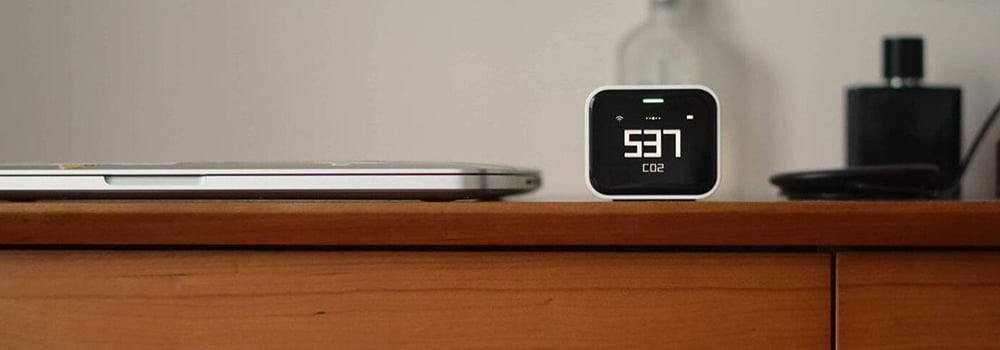
● Indoor Air Quality: Providing alerts for harmful gases and particles to improve indoor living environments.
● Agriculture and Meteorological Research: Optimizing agricultural production and providing early warnings for natural disasters.
Sensors are key tools for air quality monitoring, helping us understand and respond to environmental changes. Whether focusing on urban air, industrial emissions, indoor health, or meteorology, sensors perform an indispensable role. By utilizing different types of sensors, we can better protect our health, enhance quality of life, and gain a deeper understanding of our world.
