

Technical Support:
158-7527-1139


Indoor formaldehyde is a potential threat to home air pollution that can negatively impact the health of you and your family. However, many people are unaware if their homes have an issue where formaldehyde exceeds safety standards. In this article, we will introduce the health concerns of indoor formaldehyde and how to use a formaldehyde sensor to detect and solve this problem to ensure your home air quality and health.
Indoor Formaldehyde: A Potential Health Threat
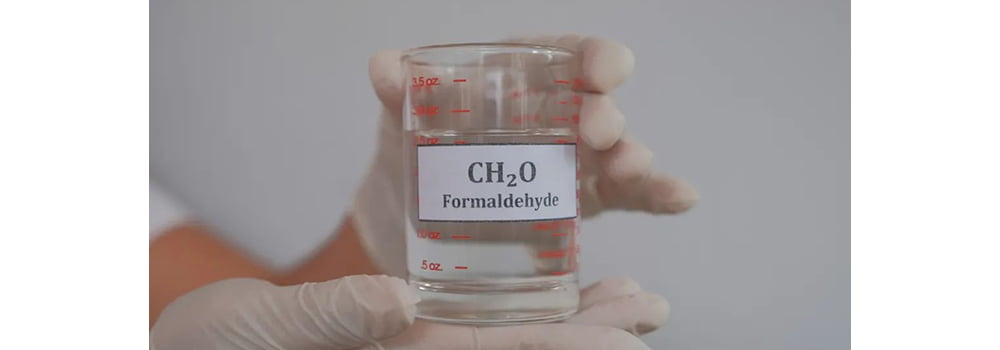
Formaldehyde is a colorless and toxic gas often found in building materials, furniture, flooring, wallpaper, and renovation materials. When these materials release formaldehyde, the concentration in indoor air may exceed standards, negatively affecting health. When formaldehyde exceeds standards, it can lead to the following health issues:
● Respiratory Issues: Exposure to high concentrations of formaldehyde can trigger respiratory problems such as sore throats, coughing, and shortness of breath.
● Skin Discomfort: Formaldehyde exposure may also lead to skin allergies, itching, and redness.
● Eye Discomfort: Prolonged exposure to formaldehyde can cause stinging eyes, tearing, and blurred vision.
● Chronic Health Problems: Long-term exposure may be linked to chronic health issues such as asthma, allergies, and an increased risk of cancer.
How to Know if Indoor Formaldehyde Exceeds Standards?
To determine if indoor formaldehyde levels are too high, you can use a formaldehyde sensor. A formaldehyde sensor is a device that measures the concentration of formaldehyde in indoor air and provides alerts or notifications to indicate if action is needed to reduce levels.
Detecting with a Formaldehyde Sensor
Here are the steps for using a formaldehyde sensor for indoor formaldehyde detection:
● Purchase a Formaldehyde Sensor: Select a reliable sensor, ensuring its performance and accuracy.
● Install the Sensor: Place the formaldehyde sensor in areas where you suspect high concentrations, such as newly renovated rooms or areas with dense furniture.
● Start the Sensor: Activate the sensor and wait for it to measure the indoor formaldehyde concentration.
● Monitor Results: Check the displayed results. If the formaldehyde concentration is above safe levels, the sensor will issue an alert.

Taking Steps to Solve the Problem
If the formaldehyde sensor indicates that indoor formaldehyde levels are exceeding standards, you can take the following measures:
● Ventilation: Increase indoor ventilation to let fresh air flow in and dilute the formaldehyde concentration.
● Remove the Source: Identify the sources of formaldehyde release, such as specific furniture or building materials, and replace or remediate them.
● Use Air Purifiers: Indoor air purifiers can help remove harmful gases, including formaldehyde.
● Follow Safety Guidelines: Adhere to guidelines for the safe use of furniture and building materials to reduce formaldehyde emission.
Indoor formaldehyde can negatively impact the health of you and your family. To ensure home health, using a formaldehyde sensor is a feasible method to take action before the problem becomes severe. Detecting indoor formaldehyde and adopting appropriate solutions can protect your home health and provide a safer and more comfortable living environment.
