Technical Support:
158-7527-1139

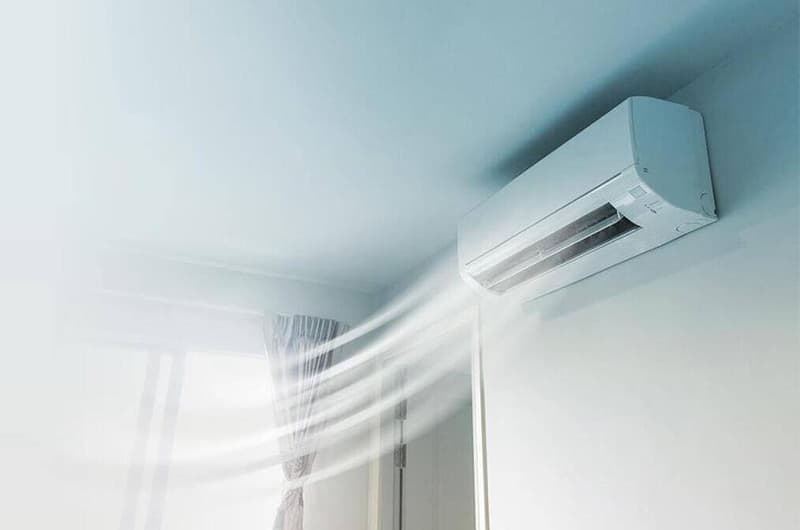
In modern life, household air conditioning systems have become essential devices for maintaining indoor comfort. However, many people may not know that there is a key technology in household air conditioners that can significantly improve their performance and efficiency: the dust sensor.
The Dust Problem in Air Conditioning Systems
First, let us understand the importance of the dust problem in household air conditioning systems. Dust and dirt not only reduce the operational efficiency of the air conditioning system but also affect indoor air quality. When dust accumulates on the evaporator and condenser of an air conditioner, their heat dissipation effect decreases, requiring more energy to reach the desired temperature, which leads to energy waste and extra costs. Furthermore, bacteria and fungi may live in the dust, posing health risks if spread by the air circulation system.
Dust Sensors: Improving Efficiency and Health
To address these issues, some modern household air conditioning systems are equipped with dust sensors. These sensors monitor the cleanliness of the system by detecting dust accumulation within the air conditioning system. Once the sensors detect that dust accumulation has exceeded a certain threshold, they can trigger the following actions:
● Automatic Cleaning Mode: Some advanced air conditioning systems feature an automatic cleaning function. Once the sensor detects dust build-up, the system can start a cleaning mode to remove dust and dirt from the surfaces of the evaporator and condenser through self-cleaning.
● Reminders and Maintenance: If an air conditioning system does not have an automatic cleaning function, the sensor can still remind users to perform regular maintenance. This may include cleaning the evaporator and condenser or regularly replacing air filters.
● Energy Saving: By ensuring the air conditioning system remains clean, dust sensors help improve system efficiency and reduce energy consumption, thereby saving on energy bills.
Future Developments
Although only some high-end household air conditioning systems are currently equipped with dust sensors, the development prospects of this technology are very broad. With increasing focus on energy efficiency and indoor air quality, it is expected that future household air conditioning systems will apply this sensor technology more widely to provide smarter and more efficient solutions.
In summary, dust sensors in household air conditioning systems are an important technology poised to improve our quality of life. They help maintain the efficiency of air conditioning systems, reduce energy consumption, and improve indoor air quality, contributing to our health and the environment. Therefore, when considering the purchase of a new household air conditioning system, you might want to consider whether it is equipped with this advanced technology for a better experience and greater benefits.