Technical Support:
158-7527-1139

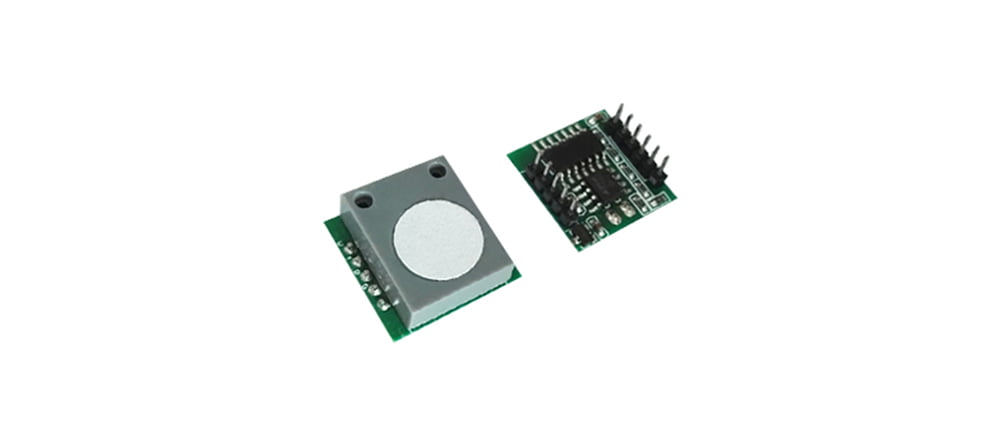
A carbon monoxide sensor is a sensor used to detect the concentration of carbon monoxide in the air. Carbon monoxide is a colorless, odorless, and non-irritating toxic gas, and it is a common indoor air pollutant. Carbon monoxide poisoning can lead to symptoms such as dizziness, nausea, vomiting, and difficulty breathing, and in severe cases, it can even lead to death.
The working principles of carbon monoxide sensors mainly include the following:
● Electrochemical sensors: Electrochemical sensors are currently the most common carbon monoxide sensors. They detect carbon monoxide concentration by using the current generated when carbon monoxide reacts with an electrolyte.
● Optical sensors: Optical sensors use the light absorption characteristics of carbon monoxide to detect its concentration.
● Thermal conductivity sensors: Thermal conductivity sensors use the thermal conductivity characteristics of carbon monoxide to detect its concentration.
The application range of carbon monoxide sensors is very broad, including:
● Household products: Carbon monoxide sensors are often used in household gas stoves, water heaters, and other equipment to detect the concentration of carbon monoxide generated during the combustion process, preventing carbon monoxide poisoning accidents.
● Industrial production: Carbon monoxide sensors are frequently used in industrial production to detect the concentration of carbon monoxide produced during manufacturing, preventing carbon monoxide leakage accidents.
● Environmental monitoring: Carbon monoxide sensors are commonly used in environmental monitoring to detect the concentration of carbon monoxide in the air, ensuring air quality.
The carbon monoxide sensor is an important device for ensuring personal safety and environmental quality. With the increasing awareness of environmental protection, the application of carbon monoxide sensors will become more and more extensive.