

Technical Support:
158-7527-1139

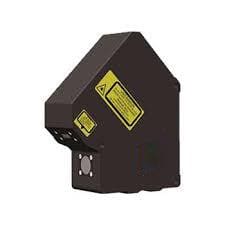
The key basic element of 3D laser sensor image capturing is the reading of graphics. In fact, it is the visualization of the measured object, converting the graphics and internal features into a series of data that can be processed by a computer. It mainly consists of three parts:
1. Irradiation
Irradiation is a critical point affecting the output of machine vision systems because it directly impacts the quality of output data and application effectiveness. Therefore, the 3D laser sensor uses laser line irradiation. When the laser line is projected onto the measured object, 3D data of the object is output based on the contours formed.
2. Image Gathering and Formation
For image gathering and formation, the graphics of the measured object are focused on a sensitive element through a lens, which converts visible graphics into electrical signals for easy computer processing. Lens parameters can be divided into four parts: magnification, focal length, depth of field, and lens mounting.
3. Image Determination and Formation of Camera Output Signals
A 3D laser sensor is essentially a photoelectric conversion control system that transforms the lens imaging received by the sensor into electrical signals that the computer can process. CMOS is selected as the vision sensor.
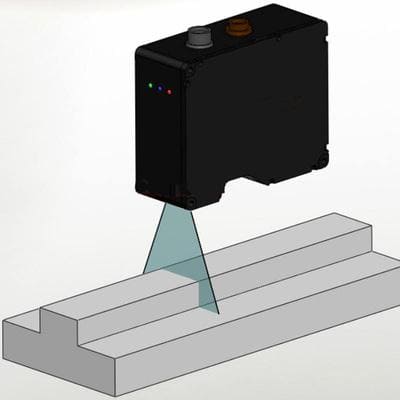
Its Characteristics:
1. Covers a wide range of technical fields
Including computer digital image processing, production processes, robotics, physical optics, equipment installation, and automated control.
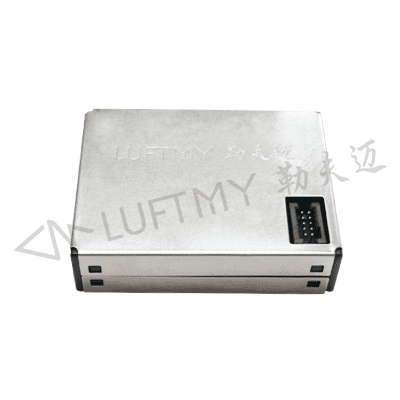
2. Low impact from environmental interference
Illumination: Free from interference from sunlight and reflected light from the surface of objects.
Interferents: Not affected by dust, oil stains, waste, powder, or water mist.
Temperature: Adaptable to a wide temperature range span from 0°C to 45°C.
Relative Humidity: No interference from condensed water droplets when humidity is between 20-85%.
