In today's world, where environmental issues are increasingly valued, the importance of air quality sensor modules as core components of intelligent environmental monitoring systems is self-evident. This article will explore the functions, key technologies, and market applications of air quality sensor modules, as well as how to choose suitable sensor modules to build efficient environmental monitoring solutions.
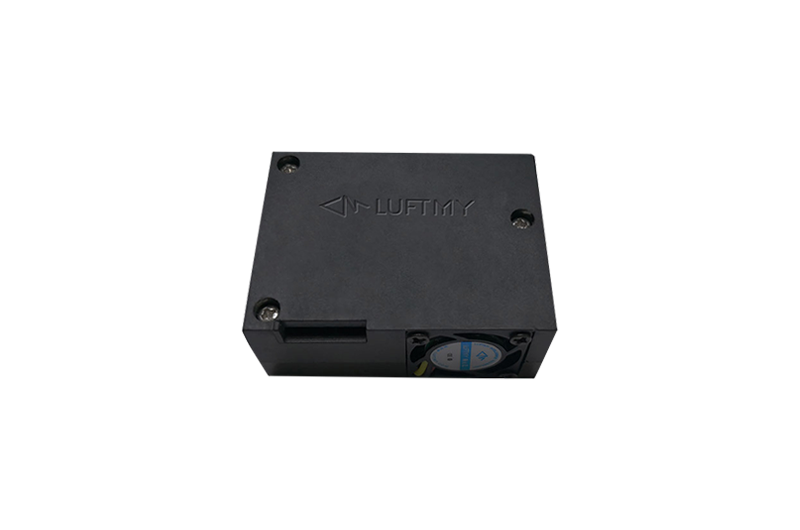
I. Functions of Air Quality Sensor Module An air quality sensor module is a device that integrates multiple air quality detection functions. It can monitor pollutants in the air in real-time, such as particulate matter (PM2.5, PM10) and harmful gases (such as CO, SO2, NO2, O3), and convert them into readable electrical signals or digital outputs.
II. Key Technologies of Air Quality Sensor Module
- High-precision Detection Technology: Uses advanced optical or chemical sensor technology to ensure the accuracy and repeatability of detection results.
- Low Power Design: Optimizes circuit design and software algorithms to reduce the energy consumption of the sensor module and extend its service life.
- Digital Output: Supports standard digital communication protocols (such as I2C, SPI, UART), facilitating integration with microcontrollers or computing systems.
- Environmental Adaptability: Design considers various environmental factors such as temperature, humidity, and atmospheric pressure to ensure the sensor works stably in different environments.
III. Types of Air Quality Sensor Modules
- Optical-based Sensor Modules: Utilize light scattering or absorption principles to detect particulate matter in the air.
- Electrochemical-based Sensor Modules: Detect the concentration of specific gases through electrochemical reactions.
- Metal Oxide Semiconductor-based Sensor Modules: Detect gas concentration by measuring the effect of gas on the resistance of the sensor material.
- Infrared Spectroscopy-based Sensor Modules: Determine gas concentration using the absorption characteristics of specific gases to infrared light.
IV. Market Applications of Air Quality Sensor Module
- Smart Home Systems: Integrated into smart home devices to automatically adjust indoor air quality and enhance the living environment.
- Industrial Environmental Monitoring: Monitor air quality during industrial production to ensure worker health and production safety.
- Urban Environmental Monitoring: Deployed in various corners of the city to monitor and report air quality in real-time, providing data support for urban management.
- On-board Air Quality Monitoring: Monitors in-car air quality to provide health protection for drivers and passengers.
V. Choosing the Right Air Quality Sensor Module When selecting an air quality sensor module, the following factors should be considered:
- Detection Range and Accuracy: Choose the appropriate range and accuracy according to monitoring needs.
- Output Interface: Select an output interface and communication protocol compatible with existing systems.
- Power Consumption and Size: Consider the system's power consumption and space constraints.
- Environmental Adaptability: Ensure the sensor module can work stably in the expected usage environment.
- Cost-effectiveness: Choose a sensor module with high cost-performance ratio while meeting performance requirements.
VI. Conclusion As the core of intelligent environmental monitoring systems, the selection and application of air quality sensor modules are crucial for building efficient and reliable environmental monitoring solutions. With continuous technological progress and growing market demand, air quality sensor modules will become more diversified and intelligent, providing even stronger support for environmental protection and human health.



