

Technical Support:
158-7527-1139

Light Scattering Principle: The sensor measures the concentration of particulate matter, such as PM2.5 and PM10, by emitting light and detecting the scattering of light by these particles in the air.
Electrochemical Principle: Utilizes changes in electrical current generated by chemical reactions to detect the concentration of specific gases, such as carbon monoxide and sulfur dioxide.
Metal Oxide Semiconductor Principle: Detects gas concentration by measuring the effect of the gas on the electrical resistance of the sensor material.
Infrared Spectroscopy Analysis: Determines gas concentration by utilizing the absorption characteristics of specific gases toward infrared light.
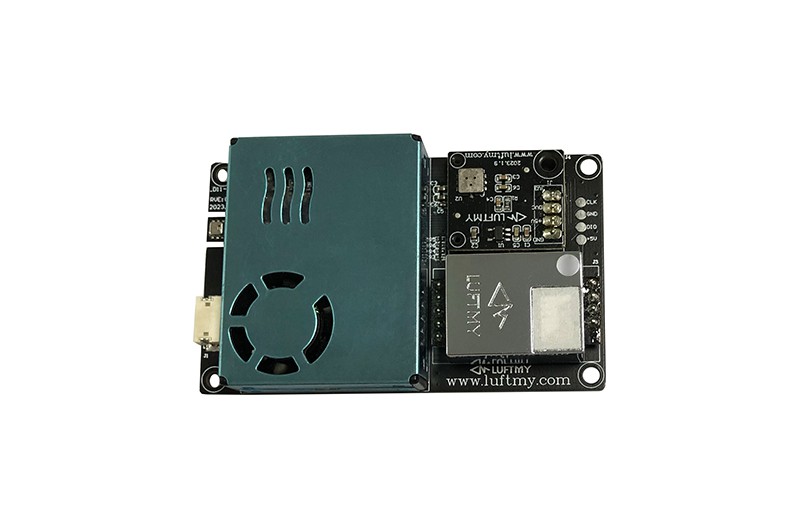
Particulate Matter Sensors: Specifically used to detect solid particulate matter in the air, such as PM2.5 and PM10 sensors.
Gas Sensors: Used to detect harmful gases in the air, such as carbon monoxide, sulfur dioxide, nitrogen dioxide, and ozone sensors.
Multi-parameter Sensors: Capable of detecting multiple pollutants simultaneously, providing comprehensive air quality data.
Environmental Monitoring Stations: Deployed in cities and industrial zones to monitor air quality in real-time, providing decision support for the government.
Smart Home Systems: Integrated into smart home devices to automatically adjust the indoor environment and enhance living comfort.
On-board Air Quality Monitoring: Monitors in-car air quality to protect the health of drivers and passengers.
Industrial Emission Control: Monitors emissions during industrial production processes to ensure compliance with environmental standards.
Real-time Performance: Capable of providing real-time air quality data and responding quickly to changes in air quality.
Accuracy: Uses high-precision detection technology to provide reliable air quality information.
Ease of Use: Simple to install and easy to integrate into various monitoring systems.
Intelligence: Supports remote monitoring and intelligent data analysis, improving the efficiency of air quality management.
