In today's rapidly developing society, air quality has become one of the important indicators to measure the quality of the living environment. As an important tool for monitoring air quality, the role of air quality sensors should not be underestimated. This article will discuss in detail the role of air quality sensors and how these sensors contribute to environmental protection and human health.
I. The Importance of Air Quality Air quality directly affects people's respiratory health and quality of life. With the development of industrialization and urbanization, air pollution has become increasingly serious, making the monitoring and management of air quality particularly important.
II. Definition of Air Quality Sensor An air quality sensor is an electronic device capable of detecting the concentration of various pollutants in the air, including particulate matter (such as PM2.5 and PM10) and harmful gases (such as carbon monoxide, sulfur dioxide, nitrogen dioxide, etc.).
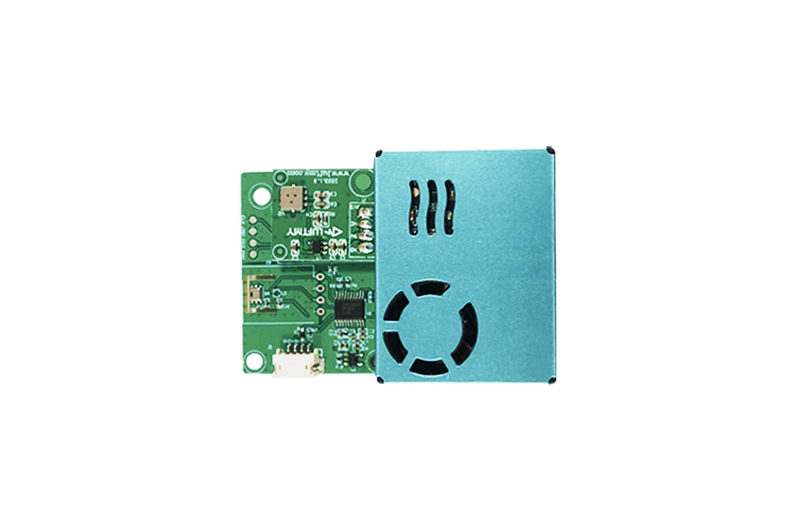
III. The Role of Air Quality Sensors
- Real-time Monitoring: Air quality sensors can monitor air quality 24/7, providing continuous air quality data.
- Data Recording: Long-term recording of air quality data provides basic data for air quality analysis and research.
- Early Warning System: When the concentration of pollutants in the air exceeds safe thresholds, sensors can issue warnings to remind people to take action.
- Decision Support: Governments and relevant agencies can formulate or adjust air quality improvement measures based on the data provided by sensors.
- Health Protection: For sensitive populations, air quality sensors can help them avoid high-pollution periods and reduce health risks.
IV. Application Scenarios for Air Quality Sensors
- Outdoor Environmental Monitoring: Deploy air quality sensors in outdoor environments such as cities, industrial zones, and major traffic routes to monitor and assess air quality.
- Indoor Air Quality Control: Use in indoor environments such as residences, offices, schools, and hospitals to ensure indoor air quality.
- Automotive Systems: Integrated into vehicles to monitor air quality inside and outside the car, providing a healthy driving environment for the driver.
- Agricultural Monitoring: In the agricultural field, monitor the impact of air quality on crop growth to guide agricultural production.
- Scientific Research: In fields such as environmental science and meteorology, provide important data support for scientific research.
V. Technical Principles of Air Quality Sensors Air quality sensors are typically based on the following technical principles:
- Light Scattering Principle: Uses the scattering of light by particulate matter in the air to measure the concentration of particulates.
- Electrochemical Principle: Detects the concentration of specific gases through electrochemical reactions.
- Metal Oxide Semiconductor Principle: Utilizes the reaction between gas and metal oxides on the sensor surface to produce electrical signal changes, thereby detecting gas concentration.
- Infrared Spectroscopy: Determines gas concentration by analyzing the absorption characteristics of specific gases in the air towards infrared light.
VI. Development Trends of Air Quality Sensors With technological progress, air quality sensors are moving towards higher precision, lower power consumption, and greater intelligence. Future air quality sensors will be more compact and portable, capable of being integrated into various smart devices, bringing more convenience to people's daily lives.
VII. Conclusion As guardians of the environment and health, the role of air quality sensors is becoming increasingly prominent in modern society. By monitoring air quality in real-time, they not only help us understand current conditions but also provide strong data support for environmental protection and health management. It is hoped that through this introduction, readers will pay more attention to the role of air quality sensors and fully utilize these high-tech products in practical life and environmental protection.
Keywords: Air quality sensor, environmental monitoring, health protection, real-time monitoring, early warning system, technical principles, application scenarios, development trends.
This article introduces the role and importance of air quality sensors in easy-to-understand language, aiming to increase public awareness of air quality issues and promote environmental protection consciousness. It is hoped that this article can help readers better understand air quality sensors and play a role in practical applications to jointly contribute to improving air quality and protecting the environment.



